Wednesday, February 25, 2026
Written By:
GreenJams
2 min
Tags:
Press & Media
The Circular Mandate: Turning Waste into Assets Through Circular Construction
The Circular Mandate: Turning Industrial Waste into Structural Assets. Broaden the problem to global resource depletion and waste. Frame the use of agricultural and industrial by-products as an essential circular economy strategy.
The Circular Mandate: Turning Industrial Waste into Structural Assets
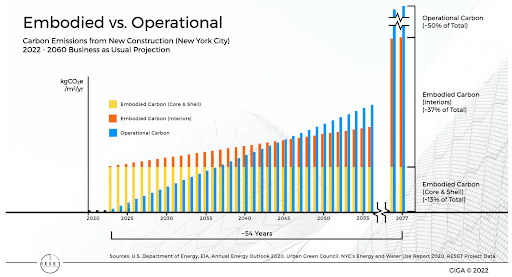
The climate crisis is inseparable from a deeper structural problem: global resource depletion. Construction remains one of the world’s most extractive industries, consuming vast quantities of virgin raw materials while generating enormous volumes of waste. Sand shortages, declining limestone reserves and escalating energy inputs are no longer distant risks — they are present-day constraints. In a resource-limited world, linear “take–make–discard” construction is no longer viable.
This is where the circular mandate emerges — redefining circular construction as a necessity rather than a sustainability preference.
The UN Environment Programme has repeatedly warned that construction material use is one of the fastest-growing drivers of global resource depletion. Globally, the built environment accounts for over half of all extracted raw materials and generates more than one-third of total waste. Agricultural and industrial by-products — fly ash, slag, crop residues and mineral waste — are routinely treated as disposal problems rather than material resources. The result is a dual failure: ecosystems are depleted to feed new construction, while usable by-products are burned, landfilled or dumped, intensifying pollution and emissions.
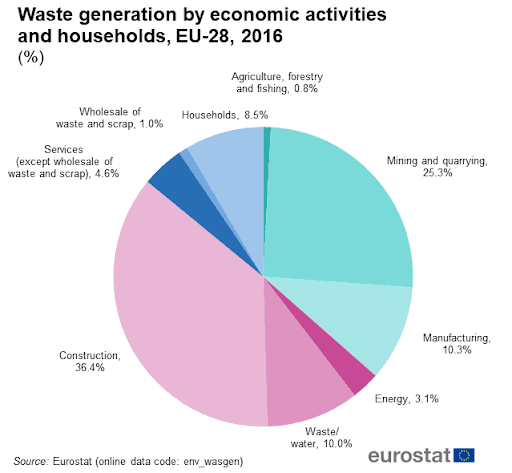
Circular Construction as a Strategic Circular Economy Response
Circular construction offers a different logic. It means designing buildings so that waste becomes feedstock, materials stay in use longer and extraction is minimized from the outset. A circular economy in construction is not recycling as an afterthought; it is the intentional conversion of waste streams into long-term structural assets.
Agricultural residues and industrial by-products contain stored carbon and mineral value that can be re-engineered into building components, reducing dependence on virgin materials while addressing emissions at their source. Every tonne of waste diverted from burning or landfill translates into cleaner air, safer cities and more resilient communities.
Under the circular mandate, waste is not a liability — it is structural capital.
Why Circular Construction Is Critical for India and Rapidly Urbanising Economies
In countries like India, the stakes are particularly high. Seasonal crop residue burning contributes significantly to air pollution and black carbon emissions, while rapid urbanisation drives demand for concrete, bricks and steel. Treating agricultural waste as a construction input directly links two crises — air pollution and material scarcity — into a single systems-level solution. For rapidly urbanising economies, circular construction is not just environmental policy; it is supply chain strategy.
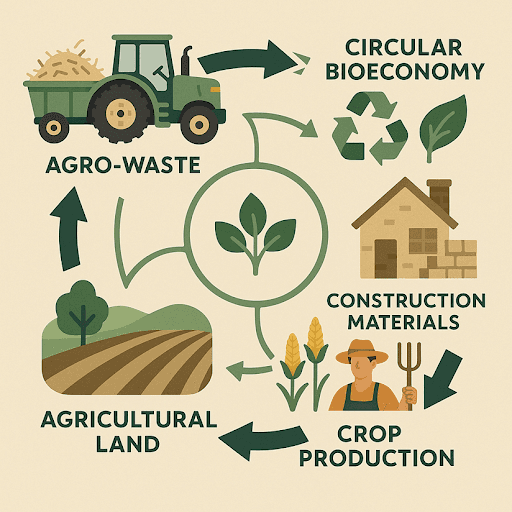
Turning Industrial and Agricultural Waste into Structural Assets
GreenJams operates at this intersection of circularity and climate action. By transforming agricultural residues into durable, carbon-storing building materials such as Agrocrete®, GreenJams reframes waste as a structural resource. This approach diverts biomass from open burning, reduces reliance on cement-heavy materials and embeds circularity directly into the built environment.
The benefits extend beyond emissions. Circular materials reduce pressure on land, water and energy resources, stabilise supply chains and lower exposure to volatile raw material prices. Lighter, locally sourced inputs also reduce transportation demand and associated Scope 3 emissions, strengthening resilience across the construction value chain.
By embedding circular construction principles into material design, the built environment transitions from extraction-driven growth to regenerative growth.
Why the Circular Mandate Is Becoming a Procurement Requirement
As global demand for infrastructure continues to grow, the question is no longer whether circular construction is desirable — it is whether it is unavoidable. Circularity is shifting from sustainability preference to procurement requirement as governments and investors tighten resource and carbon accountability.
Building more with less — less extraction, less waste, less carbon — is the only path compatible with planetary limits. The transition is not about compromise. It is about redesigning construction to operate within the material realities of the 21st century.
The circular mandate is clear: the future of construction lies not in mining deeper, but in re-engineering what we already discard. Turning industrial and agricultural waste into structural assets is not a niche innovation. It is the foundation of a climate-aligned, resource-secure built environment.
Explore how circular, carbon-storing materials are already being deployed in real projects.
👉 Stay tuned for more updates on how GreenJams is transforming the built environment, one carbon-negative block at a time.
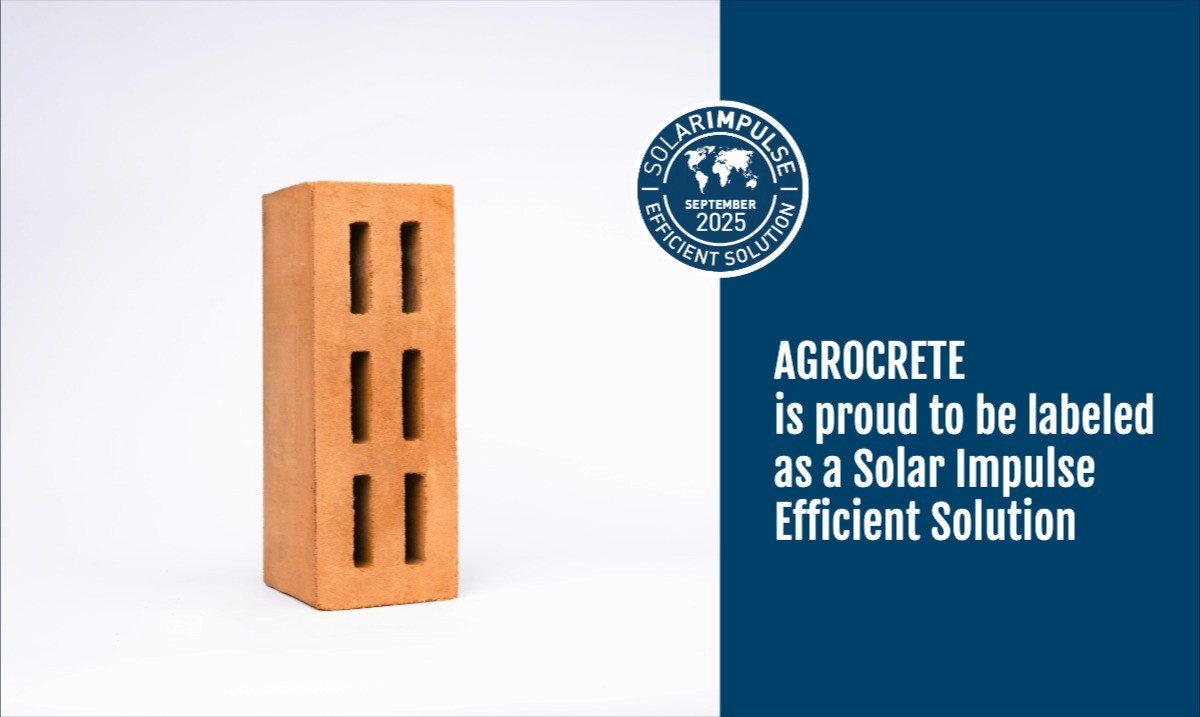
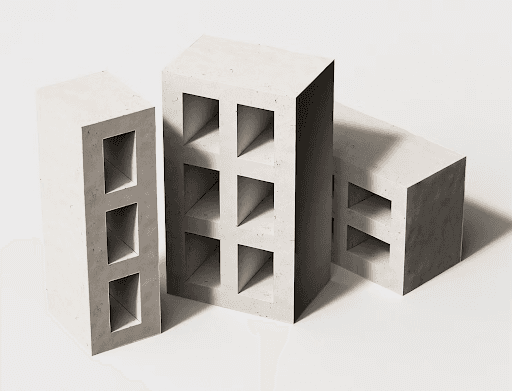


 Agrocrete® Blocks