Wednesday, February 25, 2026
Written By:
GreenJams
2 min
Tags:
Press & Media
Climate-Positive Construction: The Carbon Counter-Attack
GreenJams is part of a new generation of construction innovators turning agricultural waste into climate infrastructure. The goal is not incremental improvement, but systemic redesign of how buildings interact with the atmosphere.
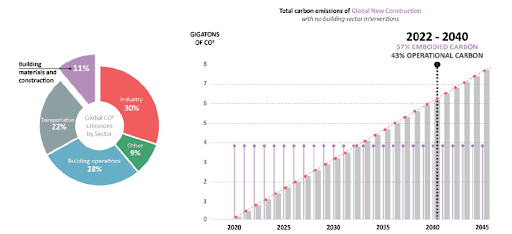
The climate crisis isn’t knocking politely — it’s kicking down the door. Global temperatures are spiking, seas are rising, and emissions continue to choke the planet. Yet construction — a sector consuming roughly 37% of global energy and producing nearly 40% of CO₂ emissions — still behaves like a passive bystander. At this scale of disruption, neutrality is complicity. The moment demands infrastructure that fights back, not infrastructure that fuels the fire.
This is where climate-positive construction becomes essential — infrastructure designed not just to reduce emissions, but to actively counter them.
Construction’s Carbon Burden
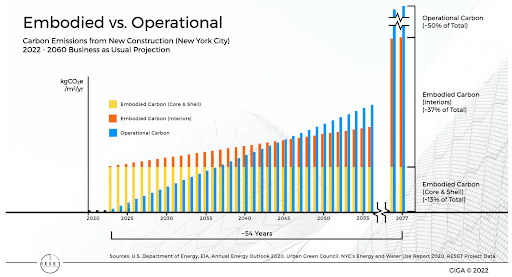
Traditional construction materials are the enemy within. Cement alone contributes about 8% of global CO₂ emissions, rivaling aviation, while steel’s blast furnaces release gigatonnes of carbon into the atmosphere. Embodied carbon is no longer a technical footnote buried in sustainability reports — it is the frontline casualty count of the climate crisis. In India, where rapid urbanisation collides with intensifying heatwaves, floods and erratic monsoons, this inertia is not just reckless; it is dangerous. India is expected to add more built floor area in the next two decades than many developed nations built in the entire 20th century. The construction choices made this decade will shape climate resilience for the next century.
Why Incremental Change Is Not Enough
Incremental efficiency improvements and surface-level greenwashing will not meet the moment. A building that merely emits less carbon is still locking damage into the system for decades. What’s required is a decisive shift toward infrastructure that actively removes carbon from the atmosphere while meeting the world’s demand for housing and public infrastructure.
Bio-Based Materials and Climate-Positive Construction
The assumption that climate-positive construction is experimental or fragile is outdated. Bio-based materials have been tested across fire safety, thermal performance and structural durability. In many cases, they outperform conventional materials in insulation and energy efficiency — reducing operational emissions while storing carbon. The barrier is no longer technological. It is cultural inertia.
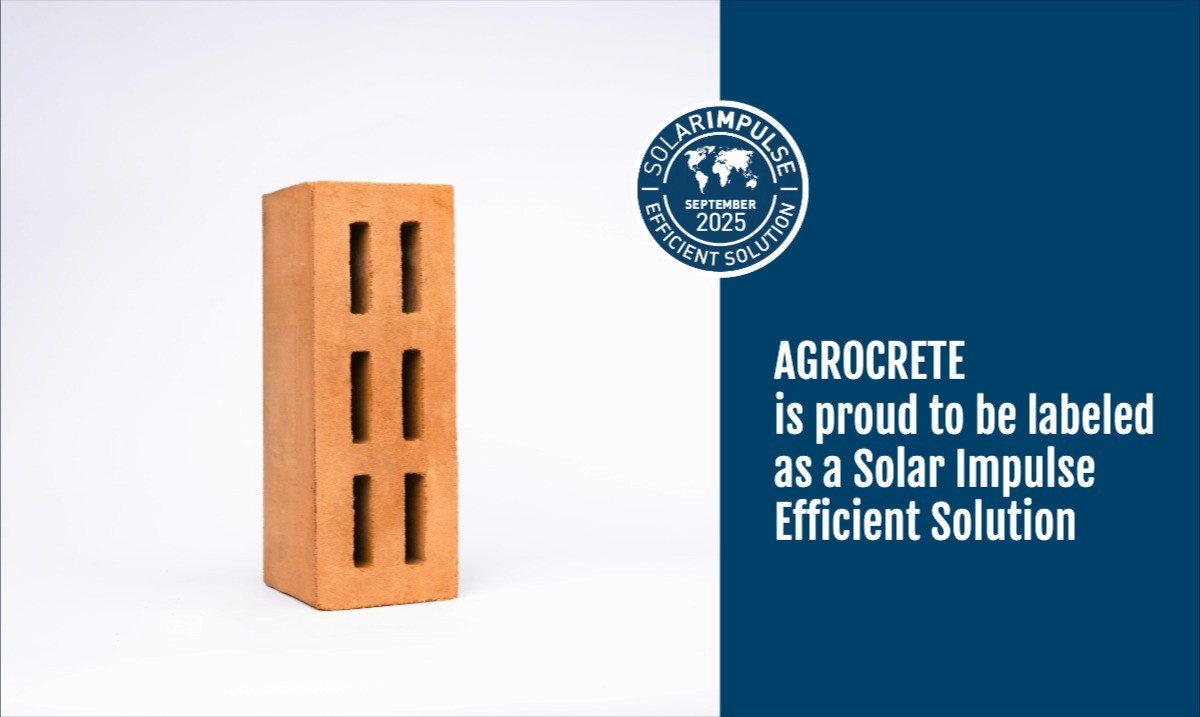
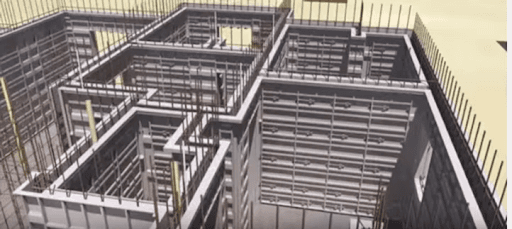
This is where the counter-attack begins. Bio-based, Embodied carbon-storing materials such as GreenJams’ Agrocrete® redefine what buildings can do. Made from upcycled agricultural residues that would otherwise be burned, Agrocrete® transforms waste into durable components that sequester atmospheric carbon-storing within walls, slabs and panels. Homes, schools and hospitals become long-term carbon storage instead of emissions liabilities.
Economic and Supply Chain Advantages
The advantages compound economically. Agricultural residues are abundant and underutilised, turning waste into a scalable feedstock rather than a scarce resource. Lighter, locally sourced materials reduce logistics costs, supply chain volatility and Scope 3 emissions. Meanwhile, ESG-linked financing and tightening carbon regulations are already shifting capital toward low-embodied-carbon projects. What appears radical today will become standard procurement logic within a decade.
The Future of Climate-Positive Infrastructure
As the UN estimates more than 230 billion square metres of new construction by 2060, the choice is stark: continue building with carbon as collateral damage, or engineer structures that actively heal the atmosphere. Construction must evolve from a sector of extraction into a sector of atmospheric repair.
Architects can specify carbon-storing materials. Developers can demand lifecycle carbon accounting. Policymakers can incentivise climate-positive procurement. Communities can choose buildings that protect their future instead of borrowing against it.
The tools already exist. What remains is the decision to use them. The counter-attack is underway — and the future will belong to those willing to build it.
👉 Stay tuned for more updates on how GreenJams is transforming the built environment, one carbon-negative block at a time.
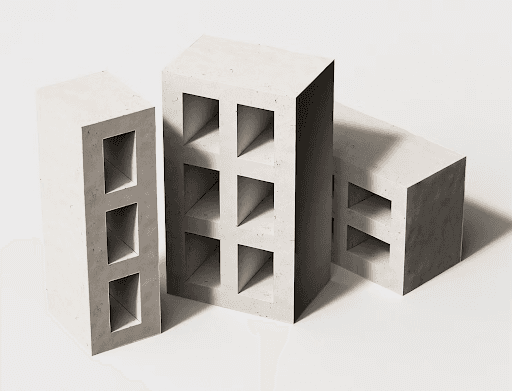


 Agrocrete® Blocks