Wednesday, February 25, 2026
Written By:
GreenJams
2 min
Tags:
Press & Media
Climate-Positive Infrastructure: Why It Is the Only Viable Standard
Defining the Solution
The Next Paradigm: Why Climate-Positive is the Only Viable Standard. Define the difference between Net Zero, Carbon Neutral, and Carbon Negative infrastructure. Position the final category as the necessary industry goal.
The Next Paradigm: Why Climate-Positive Is the Only Viable Standard
Today, the built environment stands at a crossroads. For decades, terms like net zero and carbon neutral dominated sustainability roadmaps. They marked progress. They created accountability. But as the climate crisis accelerates, it is becoming clear that stabilization alone is no longer enough. Leading climate bodies including the IPCC and the World Green Building Council now acknowledge that carbon removal — not just reduction — is essential to meet global climate targets.
The next frontier — and the only viable long-term standard — is climate-positive infrastructure.
Climate-positive infrastructure goes beyond balancing emissions — it enables measurable carbon removal at the building and city scale.
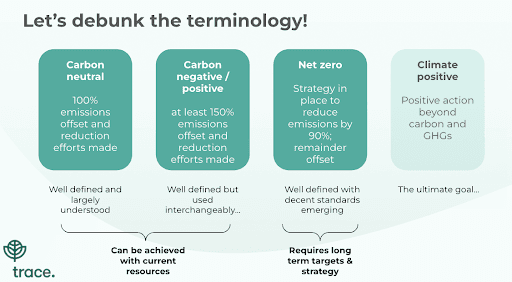
Why the Old Standards Fall Short
In simple terms:
Net zero = balance
Carbon neutral = compensate
Climate-positive = remove
Net zero refers to balancing greenhouse gases emitted with an equivalent amount removed from the atmosphere. In practice, this often relies on offsets or future removal commitments without fundamentally changing how materials are produced.
Carbon neutral goes a step further but still settles for balance rather than benefit. A project may claim zero net emissions over its lifecycle, yet still generate emissions that are countered through credits rather than actual carbon drawdown.
Both frameworks are essential milestones. But neither inherently removes carbon at the scale the planet requires. They stabilize. They pause. They mitigate. What they do not yet do is reverse climate damage.
That distinction matters. Carbon-negative describes a measurable material footprint. Climate-positive describes a system-level outcome when those materials scale across entire buildings and cities.
From Less Bad to Net Good
A carbon-negative material removes more carbon dioxide from the atmosphere than it emits over its lifecycle. This is not theoretical — it is quantifiable through lifecycle assessments and Environmental Product Declarations (EPDs), grounded in standardized carbon accounting.
When carbon-negative materials are deployed at scale, infrastructure becomes climate-positive.
Take Agrocrete® as an example. Unlike conventional masonry that emits carbon through energy-intensive production, Agrocrete® is manufactured from upcycled crop residues and industrial by-products. Each unit locks atmospheric carbon into the built structure, meaning more CO₂ is captured than released.
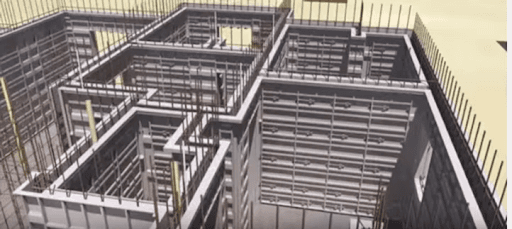
Paired with BINDR™, GreenJams’ low-carbon mortar, the wall system shifts from neutral performance to measurable carbon removal. The building itself becomes a long-term carbon sink.
Climate-positive buildings do more than reduce emissions. They improve air quality, reduce heat stress and strengthen community resilience — translating climate metrics into human benefit.
Why Climate-Positive Must Become the Standard
Limiting warming to 1.5°C requires net carbon drawdown, not just emissions balance. Stabilization is a necessary halfway point, but restoration is the long-term destination. As embodied carbon accounting becomes mandatory in major markets and procurement standards tighten, climate-positive materials are shifting from innovation to requirement.
Net zero bought us time. Climate-positives buy us a future.
The Path Ahead
If sustainability evolves from damage control to climate restoration, every project becomes an opportunity — not just to build, but to heal.
The future of construction isn’t merely bad. It is better than before. With carbon-storing materials already in deployment, climate-positive infrastructure is no longer speculative. It is operational.
The question is no longer whether climate-positive construction is possible.
It is how fast we are willing to adopt it.
👉 Stay tuned for more updates on how GreenJams is transforming the built environment, one carbon-negative block at a time.
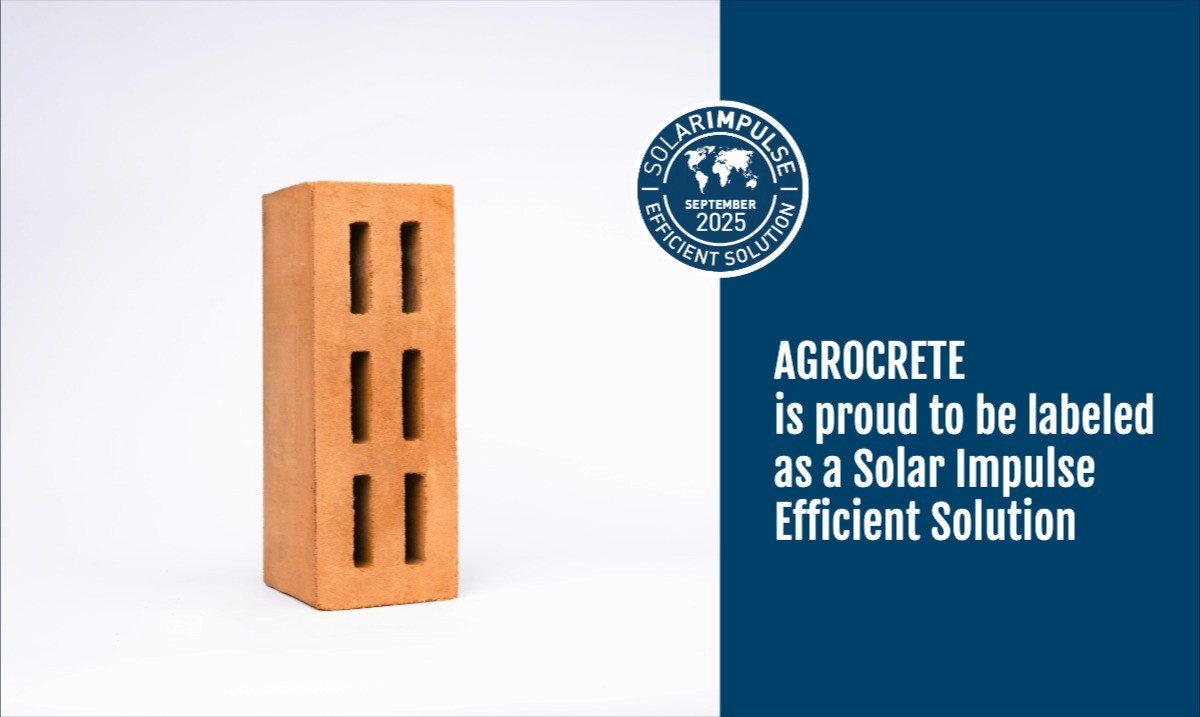
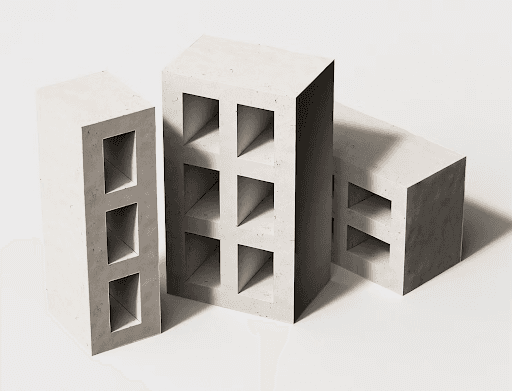


 Agrocrete® Blocks