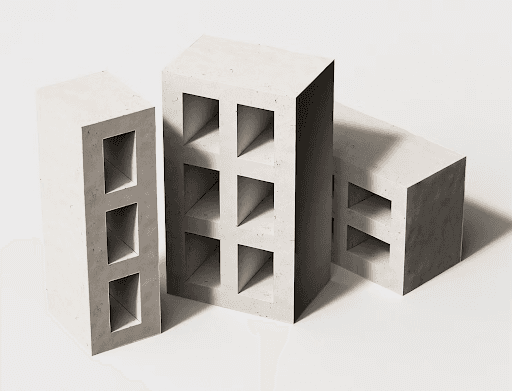
Heatwaves and Mivan Construction - My Framer Site

Heatwaves and Mivan Construction

‘Mivan Shuttering’ has been a godsend for the construction industry. That’s because Mivan technology enables extremely rapid construction, improves durability and earthquake resistance, and reduces wall thickness and increases carpet area in high rise buildings.

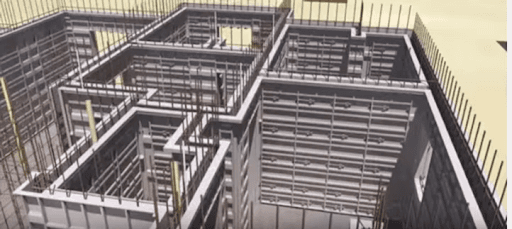
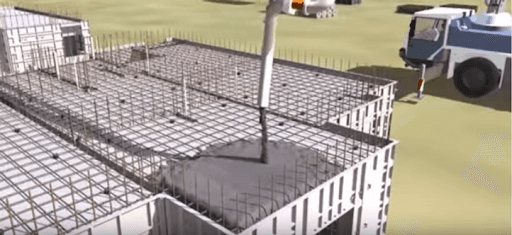
The Mivan construction technology essentially comprises a highly durable aluminium formwork fabricated in the shape and layout of the building including the walls, columns, beams, and slabs. It is extremely modular and uses the same formwork for all the floors of the building. The steel reinforcement is fixed within the formwork and concrete is poured into it to make the different members of the building.

Friday, December 12, 2025

Written By:

GreenJams

4 min

Tags:

Technology
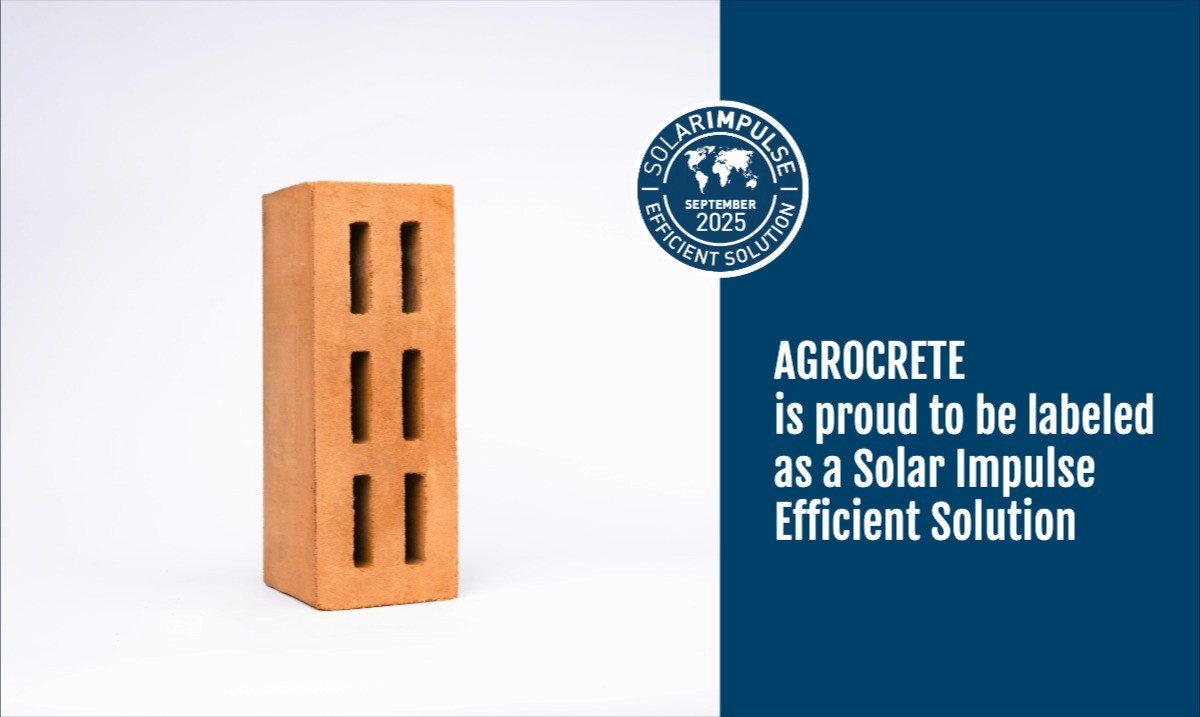
GreenJams’ Agrocrete® Becomes India’s Only Carbon-Negative Building Material to Earn the Prestigious Solar Impulse Efficient Solution Label

When something sounds too good to be true, it is.

As good as Mivan construction sounds, however, there are some disadvantages:

High modularity comes at the cost of extremely low flexibility. The initial cost of making the formwork is prohibitive and therefore is only suitable for skyscrapers or extremely large sized projects. But those are not its biggest disadvantages. The proverbial cake is taken by thermal insulation.

Mivan construction technology uses reinforced cement concrete as its only material. Since the entire building is made with concrete and steel, both being materials that offer notoriously low thermal insulation, energy efficiency of such structures is almost zero.

What’s worse is that the entire external shell of the building is made with extremely thin concrete sections which transfer heat into the indoors very easily, given its high thermal conductivity. In fact, it’s only marginally better than sheet metal when it comes to thermal insulation.

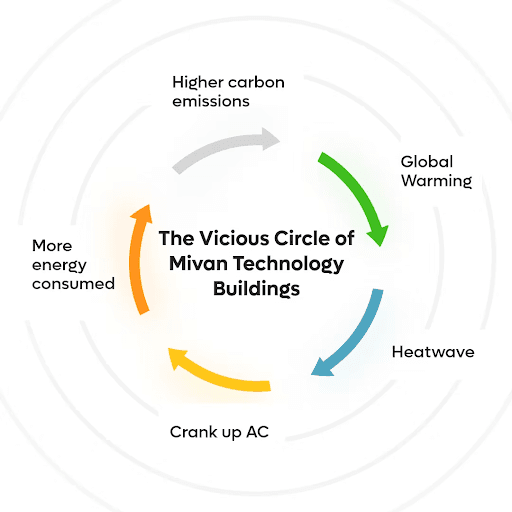
Obviously then, when heatwaves occur, homes in such buildings will be rather similar to the depths of hell, which are constantly on fire…apparently. However, the problem is only made worse once you consider how we counteract this trait of Mivan construction.

Considering that people residing in such tall buildings would normally have access to air conditioning, the switch is turned on without caution, triggering a Catch-22: the hotter it gets, the more air conditioning we’d need, triggering an increased consumption of electricity, which would cause higher carbon emissions and global warming.

Further, a warmer planet will cause the onset of longer, and more frequent heatwaves, which would then further accelerate global warming and climate change because, of course, we will continue to crank up our ACs. All of this just because someone wanted to make a little extra money through a rather ill-advised construction technique.
The bigger picture

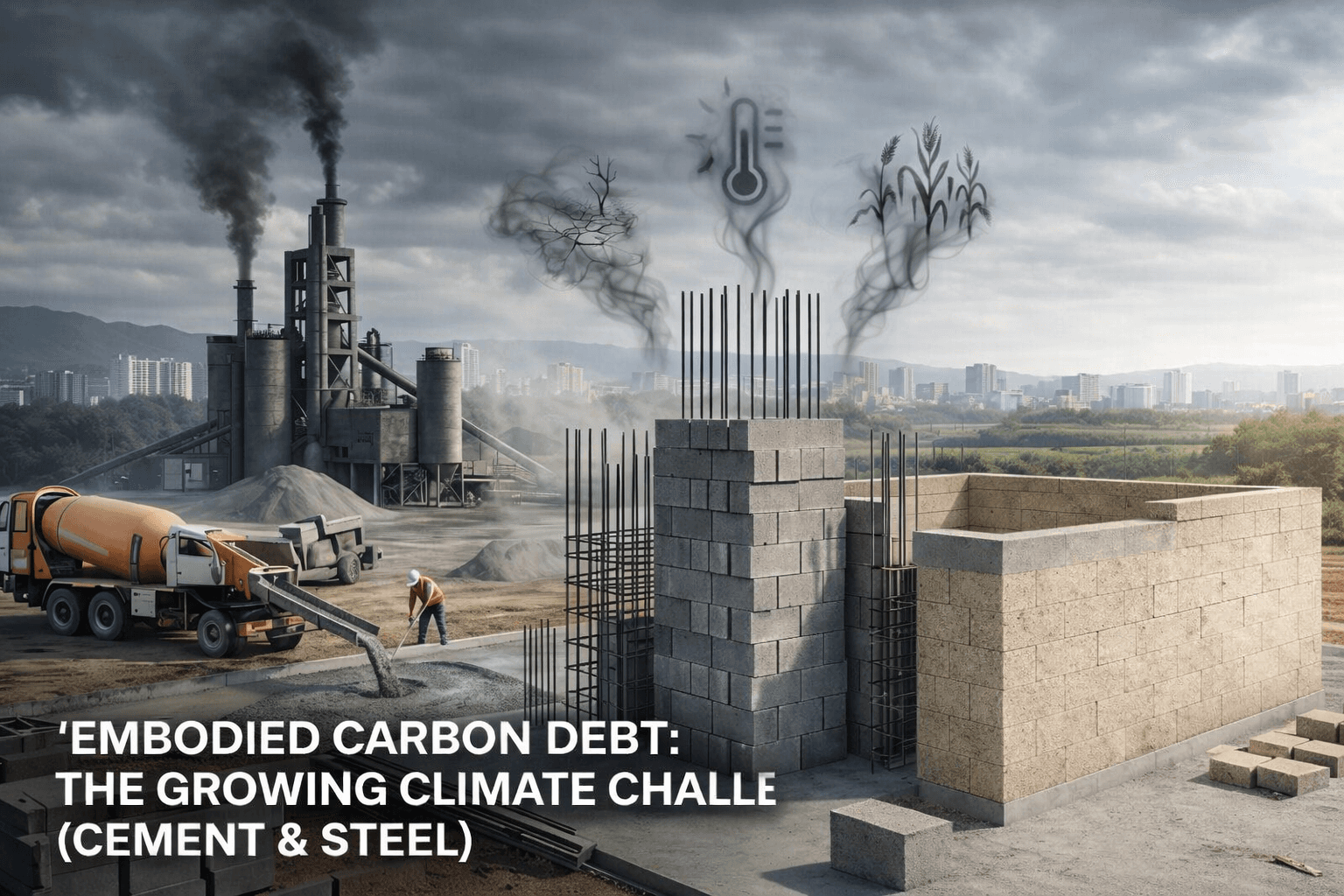
The built environment is already responsible for 45% of global carbon emissions. Almost 80% of those emissions occur because we need to heat and cool our buildings, which results in harmful CFCs and GHGs being released into the air. With Mivan construction, we not only end up needing higher heating and cooling, but we also increase the amount of cement, steel and concrete needed to make our buildings.

This trend would only cause a tremendous increase in the carbon footprint of the built environment. But most importantly, the planet would get so hot, worker productivity, human health and food production would dwindle exponentially.

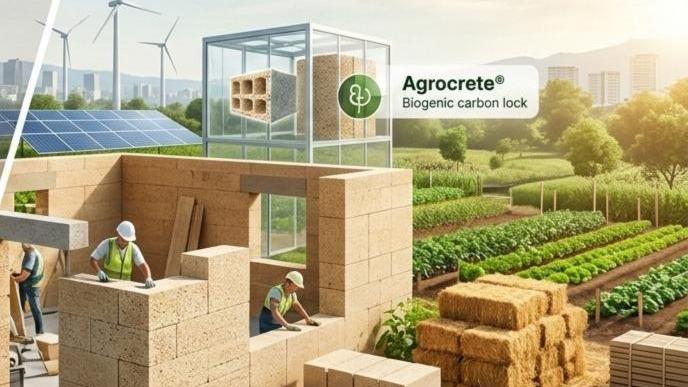
It is time for you, as a homebuyer, to educate yourselves and ask what materials and technologies have been used. Ask your builders for carbon-negative and thermally insulating materials like Agrocrete®. We owe it to ourselves and the next generations.

As posted in Construction World
Solar Impulse Certificate- GreenJams

👉 Stay tuned for more updates on how GreenJams is transforming the built environment, one carbon-negative block at a time.
Suggested Blogs

Feb 25, 2026

2 min

Sustainable Construction Materials: The Turning Point in Climate-Positive Building

FOR IMMEDIATE RELEASE

Tags:

Press & Media

Feb 25, 2026

2 min

Climate-Positive Infrastructure vs Net Zero Explained

FOR IMMEDIATE RELEASE

Tags:

Press & Media

Feb 25, 2026

2 min

The Circular Mandate: Circular Construction Future

FOR IMMEDIATE RELEASE

Tags:

Press & Media

Source: RESET — “Revisiting the Iconic Chart from Architecture 2030” (RESET / Raefer Wallis, 2022)

Feb 25, 2026

2 min

Embodied Carbon in Construction: The Climate Debt Explained

FOR IMMEDIATE RELEASE

Tags:

Press & Media

Feb 25, 2026

2 min

Climate-Positive Construction: The Carbon Counter-Attack

FOR IMMEDIATE RELEASE

Tags:

Press & Media

GreenJams’ Agrocrete® Becomes India’s Only Carbon-Negative Building Material to Earn the Prestigious Solar Impulse Efficient Solution Label

Jan 24, 2026

2 min

GreenJams’ Agrocrete® Becomes India’s Only Carbon-Negative Building Material to Earn the Prestigious Solar Impulse Efficient Solution Label

FOR IMMEDIATE RELEASE

Tags:

Press & Media

GreenJams’ Agrocrete® Becomes India’s Only Carbon-Negative Building Material to Earn the Prestigious Solar Impulse Efficient Solution Label

Dec 12, 2025

4 min

Heatwaves and Mivan Construction

‘Mivan Shuttering’ has been a godsend for the construction industry. That’s because Mivan technology enables extremely rapid construction, improves durability and earthquake resistance, and reduces wall thickness and increases carpet area in high rise buildings.

The Mivan construction technology essentially comprises a highly durable aluminium formwork fabricated in the shape and layout of the building including the walls, columns, beams, and slabs. It is extremely modular and uses the same formwork for all the floors of the building. The steel reinforcement is fixed within the formwork and concrete is poured into it to make the different members of the building.

Tags:

Technology

GreenJams’ Agrocrete® Becomes India’s Only Carbon-Negative Building Material to Earn the Prestigious Solar Impulse Efficient Solution Label

Dec 12, 2025

5 min

Agrocrete®: A weapon for the war against climate change

It was never an argument - climate change is real, and it demands urgent action. As per the IPCC 2018 Special Report on Global Warming of 1.5°C, it is estimated that by 2050, if the world isn’t fully carbon neutral, then global temperatures could increase by much more than 1.5C. However, as per Piers Froster, one of the lead authors of the landmark paper, there is still hope. He stated, “If the world can substantially reduce emissions in the 2020s and get to net zero carbon emissions by 2050, temperature rise can still be limited to 1.5C”.

This begs the question - how can we overturn climate change quickly and effectively? The surest way forward is geoengineering, which is essentially a way for human beings to manage the earth’s climate in deliberate ways. An effective, low cost way of geoengineering is to devise methods of Carbon Dioxide Removal, or CDR. Activities such as afforestation and reforestation are popular methods of CDR, however, given the time scale it takes to cause real impact, it isn’t a practical method despite its obvious benefits.

It is for this reason that more and more scientific and institutional efforts are directed towards creating ways of achieving CDR in a highly effective and relatively low-cost manner.

Tags:

product

Suggested Blogs

Feb 25, 2026

2 min

Sustainable Construction Materials: The Turning Point in Climate-Positive Building

FOR IMMEDIATE RELEASE

Tags:

Press & Media

Feb 25, 2026

2 min

Climate-Positive Infrastructure vs Net Zero Explained

FOR IMMEDIATE RELEASE

Tags:

Press & Media

Feb 25, 2026

2 min

The Circular Mandate: Circular Construction Future

FOR IMMEDIATE RELEASE

Tags:

Press & Media

Source: RESET — “Revisiting the Iconic Chart from Architecture 2030” (RESET / Raefer Wallis, 2022)

Feb 25, 2026

2 min

Embodied Carbon in Construction: The Climate Debt Explained

FOR IMMEDIATE RELEASE

Tags:

Press & Media

Feb 25, 2026

2 min

Climate-Positive Construction: The Carbon Counter-Attack

FOR IMMEDIATE RELEASE

Tags:

Press & Media

GreenJams’ Agrocrete® Becomes India’s Only Carbon-Negative Building Material to Earn the Prestigious Solar Impulse Efficient Solution Label

Jan 24, 2026

2 min

GreenJams’ Agrocrete® Becomes India’s Only Carbon-Negative Building Material to Earn the Prestigious Solar Impulse Efficient Solution Label

FOR IMMEDIATE RELEASE

Tags:

Press & Media

Dec 12, 2025

4 min

Heatwaves and Mivan Construction

‘Mivan Shuttering’ has been a godsend for the construction industry. That’s because Mivan technology enables extremely rapid construction, improves durability and earthquake resistance, and reduces wall thickness and increases carpet area in high rise buildings.

The Mivan construction technology essentially comprises a highly durable aluminium formwork fabricated in the shape and layout of the building including the walls, columns, beams, and slabs. It is extremely modular and uses the same formwork for all the floors of the building. The steel reinforcement is fixed within the formwork and concrete is poured into it to make the different members of the building.

Tags:

Technology

Dec 12, 2025

5 min

Agrocrete®: A weapon for the war against climate change

It was never an argument - climate change is real, and it demands urgent action. As per the IPCC 2018 Special Report on Global Warming of 1.5°C, it is estimated that by 2050, if the world isn’t fully carbon neutral, then global temperatures could increase by much more than 1.5C. However, as per Piers Froster, one of the lead authors of the landmark paper, there is still hope. He stated, “If the world can substantially reduce emissions in the 2020s and get to net zero carbon emissions by 2050, temperature rise can still be limited to 1.5C”.

This begs the question - how can we overturn climate change quickly and effectively? The surest way forward is geoengineering, which is essentially a way for human beings to manage the earth’s climate in deliberate ways. An effective, low cost way of geoengineering is to devise methods of Carbon Dioxide Removal, or CDR. Activities such as afforestation and reforestation are popular methods of CDR, however, given the time scale it takes to cause real impact, it isn’t a practical method despite its obvious benefits.

It is for this reason that more and more scientific and institutional efforts are directed towards creating ways of achieving CDR in a highly effective and relatively low-cost manner.

Tags:

product

Frequently asked questions

Have Questions?

We’ve Got Answers.

What is Agrocrete®?

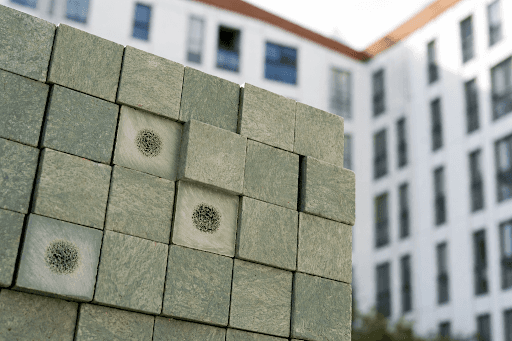
Agrocrete® is a carbon-negative building block made from upcycled crop residues and industrial by-products. It’s stronger, lighter, cooler, and more durable than conventional bricks, while also reducing environmental impact.

What does ‘carbon-negative’ mean?

How is Agrocrete® better than regular bricks?

Is Agrocrete® certified?

Where can it be used?

Is it termite-resistant and fire-resistant?

Will it change my construction process?

What’s its environmental impact?

Frequently asked questions

Have Questions?

We’ve Got Answers.

What is Agrocrete®?

Agrocrete® is a carbon-negative building block made from upcycled crop residues and industrial by-products. It’s stronger, lighter, cooler, and more durable than conventional bricks, while also reducing environmental impact.

What does ‘carbon-negative’ mean?

How is Agrocrete® better than regular bricks?

Is Agrocrete® certified?

Where can it be used?

Is it termite-resistant and fire-resistant?

Will it change my construction process?

What’s its environmental impact?

Frequently asked questions

Have Questions?

We’ve Got Answers.

What is Agrocrete®?

Agrocrete® is a carbon-negative building block made from upcycled crop residues and industrial by-products. It’s stronger, lighter, cooler, and more durable than conventional bricks, while also reducing environmental impact.

What does ‘carbon-negative’ mean?

How is Agrocrete® better than regular bricks?

Is Agrocrete® certified?

Where can it be used?

Is it termite-resistant and fire-resistant?

Will it change my construction process?

What’s its environmental impact?