5 Ways the Construction Industry Will Transform Due To COVID-19 - My Framer Site

5 Ways the Construction Industry Will Transform Due To COVID-19

The COVID-19 pandemic was unprecedented on many levels. Its impact on the world economy is yet unfathomed. The magnitude of the loss of lives and livelihoods to an epidemic is unparalleled. According to IMF, the "Great Lockdown" will have a much more significant impact than the "Great Depression" with global GDP growth falling below -3% in 2020. The advanced economies shall be the worst hit with a projected GDP growth of -6%, and the emerging economies shall be at a relatively alarming -1%. However, India and China may not enter a "de-growth" phase and expect to have a projected GDP growth of 1.9% and 1.2%, respectively, in 2020.

Consequently, the construction sector, which is the largest non-farm employment generator, will face pertinent challenges as a result of the novel coronavirus pandemic. While, in India, the construction sector was one of the first non-essential industries to receive an exemption from the lockdown, it will undoubtedly undergo a critical transformation.

Friday, December 12, 2025

Written By:

Tarun Jami (Founder, GreenJams)

5 min

Tags:

Sustainability
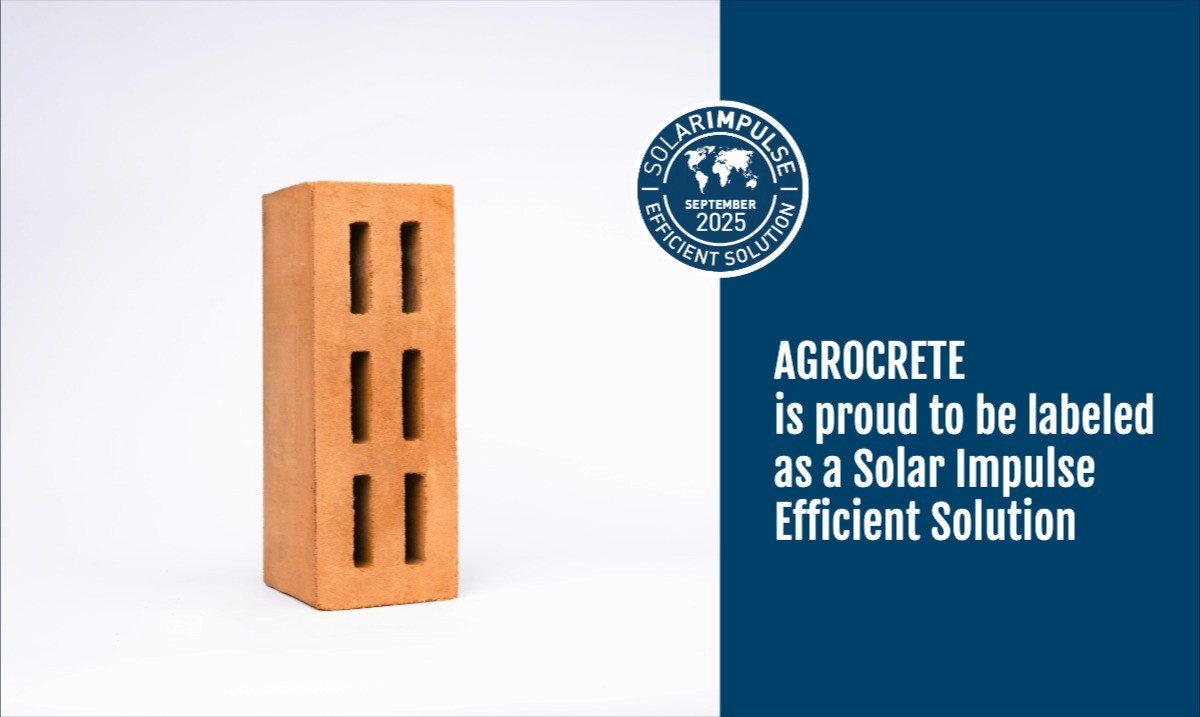
GreenJams’ Agrocrete® Becomes India’s Only Carbon-Negative Building Material to Earn the Prestigious Solar Impulse Efficient Solution Label

Increased Cost of Labor & Materials

The rapid growth in urbanization has led the Indian construction industry to employ over 51 million people. If continued business-as-usual, by 2022, it would have engaged about 76 million people. It is also responsible for generating additional employment for an estimated 45 million people, directly and indirectly.

With an estimated 40% of its workforce being migrant, the industry relies heavily on the unorganized sector for its operations. Due to the loss of work resulting from the pandemic, the country witnessed a massive reverse migration, leaving many industries deprived of laborers. Naturally, ever since the lockdown has eased for the construction industry, only those projects which have a residential workforce have been able to resume work. If this is an indication of the times to come, construction companies will have to uphaul their employee engagement practices to retain their labor workforce.

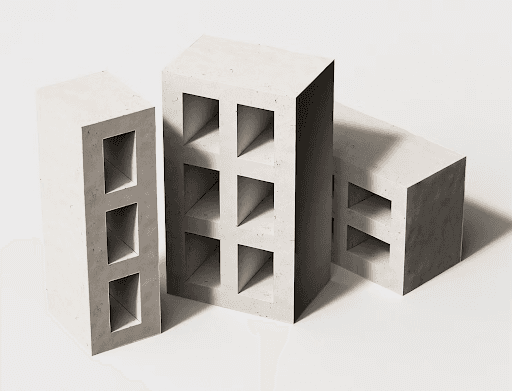
Construction companies will have to provide regular employment to laborers with all the employee benefits, resulting in an increased cost of labor. Similarly, these increased input costs will drive up the prices for construction materials like cement, steel, bricks, blocks, etc., which are all labor-intensive industries.

Decreased Liquidity

The massive layoffs have thrown almost everyone off-balance. Most businesses are grappling with a liquidity crunch due to the loss of revenue and the continued fixed expenditure. The construction industry has also been facing a similar predicament with a few extra complications.

Even before the onset of COVID-19, the construction sector had been facing a liquidity crunch due to the IL&FS crisis. The lenders’ morale was down, which impacted lending and caused a massive slowdown in the industry. The post-COVID world is more expensive than before by at least 5% – 10%, inflating various fixed and variable costs. Real estate builders who have received payments or advances at pre-COVID rates for ongoing construction projects will have to complete construction at the higher post-COVID prices of labor and materials.

Similarly, infrastructure companies will face a liquidity crunch due to the growing liabilities resulting from the loss of productivity. Fixed expenses include rentals for machinery, employee compensations, and other high maintenance charges. These are the primary sources of business liabilities, which shall deplete cash reserves and create a liquidity crunch.

While the cash crisis may exist only during the near-term, timely measures by the Govt. could further bolster renewed lending to cash-strapped entities. However, the profitability of the entire construction sector will undoubtedly suffer.

Solar Impulse Certificate- GreenJams

Changing Consumer Behavior

The pandemic has forced organizations to adapt to remote-working. Giants like Facebook have taken historic decisions of taking their massive workforce remote. This move has led to the flexible workspace sector falling flat. Most corporations will look to adopt agile portfolios and shy away from making substantial CAPEX commitments towards large offices. Therefore, in the longer-term pre-configured flexible workspaces could see a revival where large corporations would utilize such spaces to foster collaboration amongst their workforce.

Sales of residential real estate will witness a slump due to the uncertainty in income generation. Homebuyers would like to postpone their real estate investments until a time when there is a perceived sense of income security. On the other hand, high-end residential projects may not witness a decline in sales due to the higher income security amongst the associated income class.

Demand for retail spaces might suffer permanent damage due to the higher operational risk of contagion in such public areas. The hospitality industry could also experience a similar decline as consumers avoid crowded spaces.

The pandemic has prompted the government to rethink urban design, which could result in increased public infrastructure investment to ensure public health and safety.

Loss of Productivity

Construction is a highly collaborative profession, and the “new normal” presents a unique set of challenges. The prescribed guidelines and social distancing norms will significantly impact productivity.

Smaller construction projects are more labor-intensive and often have multiple laborers huddled together while performing a task. The mandatory six-feet distance between individuals will severely hamper the completion of tasks such as moving a concrete pump or conveying bricks. To also ensure "social distancing," the workforce will need constant monitoring, and thinning of the density. Employing construction machinery is necessary, which could become unviable.

A large construction project is a continuously evolving organism with multiple weak links. With most laborers on the construction site being daily wagers, ensuring the same individuals return to work every day is practically impossible. Therefore, project managers will have to employ an additional level of scrutiny to ensure the safety of the entire workforce, further impacting productivity. Ideally, the labor workforce will have to be designated zones and be access-controlled using technology. The viability of such a system will need to be assessed on a case-to-case basis.
Focus on Sustainability

The pandemic has had an unexpected positive impact on the planet, with the anthropogenic activity coming to a standstill. Marine life has returned to cleaner waters, there are bluer skies over usually polluted cities, and the wild animals are roaming on the streets of locked down cities. Unfortunately, it took a pandemic to show the world the enormity of the task ahead of us.

Despite the total slump in demand for crude oil, the cut in emissions is still below the required number every year to prevent disastrous climate impacts. However, the epidemic has shown that people will do what it takes to protect their families. Throughout the lockdowns, people have had a lot of time on their hands to introspect on their climate impact.

There is a behavior change on the horizon, and consumers shall become more conscious. Several large organizations are taking steps to lower their climate impact, and the construction industry has the power to enable it.

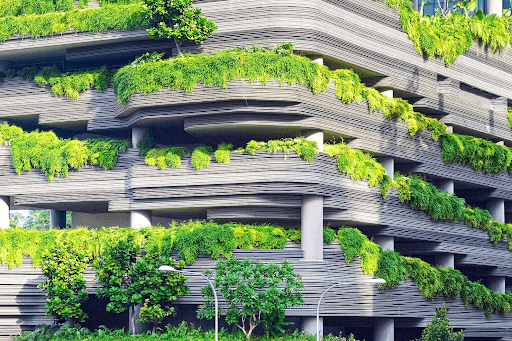
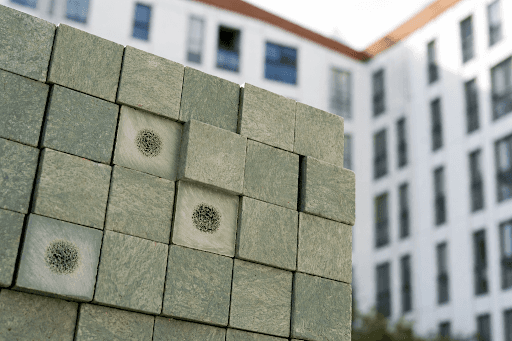
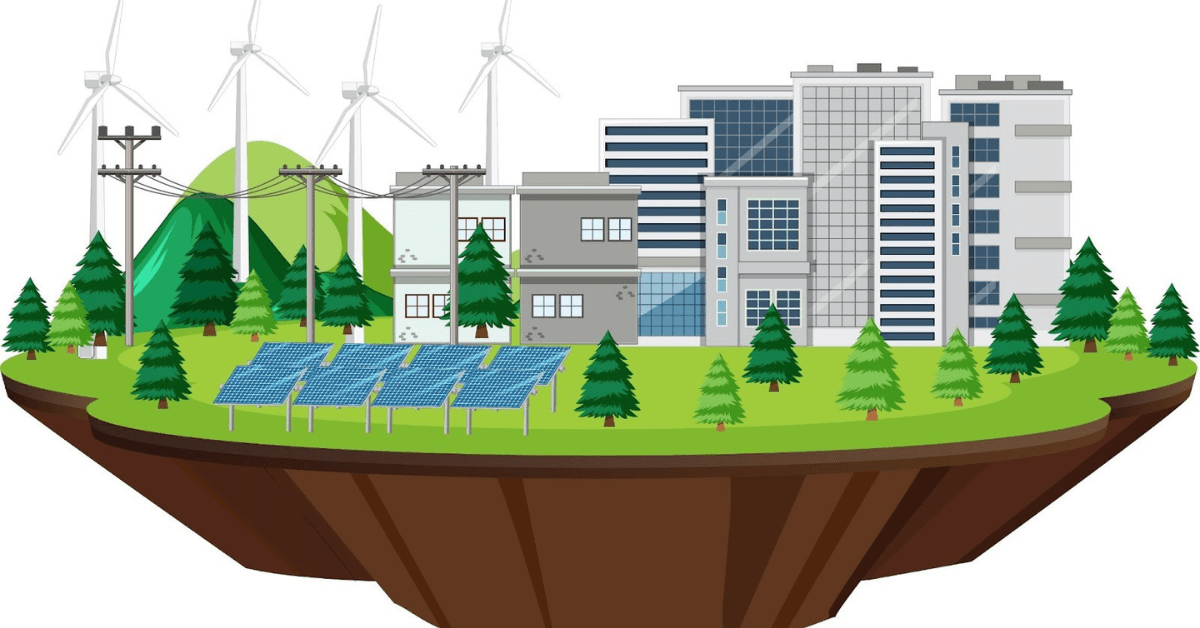
Large corporations will move to greener buildings to lower their carbon footprint and energy costs. Green Realty, while helping achieve sustainability targets, will also command higher prices. Similarly, demand for eco-friendly residential units will also see a favorable incline, with a significant number of new homebuyers becoming eco-conscious. New constructions will, therefore, need to focus on green architecture and using sustainable materials such as Agrocrete™ and Hempcrete.

👉 Stay tuned for more updates on how GreenJams is transforming the built environment, one carbon-negative block at a time.
Suggested Blogs

Feb 25, 2026

2 min

Sustainable Construction Materials: The Turning Point in Climate-Positive Building

FOR IMMEDIATE RELEASE

Tags:

Press & Media

Feb 25, 2026

2 min

Climate-Positive Infrastructure vs Net Zero Explained

FOR IMMEDIATE RELEASE

Tags:

Press & Media

Feb 25, 2026

2 min

The Circular Mandate: Circular Construction Future

FOR IMMEDIATE RELEASE

Tags:

Press & Media

Source: RESET — “Revisiting the Iconic Chart from Architecture 2030” (RESET / Raefer Wallis, 2022)

Feb 25, 2026

2 min

Embodied Carbon in Construction: The Climate Debt Explained

FOR IMMEDIATE RELEASE

Tags:

Press & Media

Feb 25, 2026

2 min

Climate-Positive Construction: The Carbon Counter-Attack

FOR IMMEDIATE RELEASE

Tags:

Press & Media

GreenJams’ Agrocrete® Becomes India’s Only Carbon-Negative Building Material to Earn the Prestigious Solar Impulse Efficient Solution Label

Jan 24, 2026

2 min

GreenJams’ Agrocrete® Becomes India’s Only Carbon-Negative Building Material to Earn the Prestigious Solar Impulse Efficient Solution Label

FOR IMMEDIATE RELEASE

Tags:

Press & Media

GreenJams’ Agrocrete® Becomes India’s Only Carbon-Negative Building Material to Earn the Prestigious Solar Impulse Efficient Solution Label

Dec 12, 2025

4 min

Heatwaves and Mivan Construction

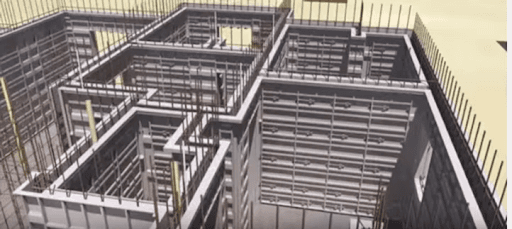
‘Mivan Shuttering’ has been a godsend for the construction industry. That’s because Mivan technology enables extremely rapid construction, improves durability and earthquake resistance, and reduces wall thickness and increases carpet area in high rise buildings.

The Mivan construction technology essentially comprises a highly durable aluminium formwork fabricated in the shape and layout of the building including the walls, columns, beams, and slabs. It is extremely modular and uses the same formwork for all the floors of the building. The steel reinforcement is fixed within the formwork and concrete is poured into it to make the different members of the building.

Tags:

Technology

GreenJams’ Agrocrete® Becomes India’s Only Carbon-Negative Building Material to Earn the Prestigious Solar Impulse Efficient Solution Label

Dec 12, 2025

5 min

Agrocrete®: A weapon for the war against climate change

It was never an argument - climate change is real, and it demands urgent action. As per the IPCC 2018 Special Report on Global Warming of 1.5°C, it is estimated that by 2050, if the world isn’t fully carbon neutral, then global temperatures could increase by much more than 1.5C. However, as per Piers Froster, one of the lead authors of the landmark paper, there is still hope. He stated, “If the world can substantially reduce emissions in the 2020s and get to net zero carbon emissions by 2050, temperature rise can still be limited to 1.5C”.

This begs the question - how can we overturn climate change quickly and effectively? The surest way forward is geoengineering, which is essentially a way for human beings to manage the earth’s climate in deliberate ways. An effective, low cost way of geoengineering is to devise methods of Carbon Dioxide Removal, or CDR. Activities such as afforestation and reforestation are popular methods of CDR, however, given the time scale it takes to cause real impact, it isn’t a practical method despite its obvious benefits.

It is for this reason that more and more scientific and institutional efforts are directed towards creating ways of achieving CDR in a highly effective and relatively low-cost manner.

Tags:

product

Suggested Blogs

Feb 25, 2026

2 min

Sustainable Construction Materials: The Turning Point in Climate-Positive Building

FOR IMMEDIATE RELEASE

Tags:

Press & Media

Feb 25, 2026

2 min

Climate-Positive Infrastructure vs Net Zero Explained

FOR IMMEDIATE RELEASE

Tags:

Press & Media

Feb 25, 2026

2 min

The Circular Mandate: Circular Construction Future

FOR IMMEDIATE RELEASE

Tags:

Press & Media

Source: RESET — “Revisiting the Iconic Chart from Architecture 2030” (RESET / Raefer Wallis, 2022)

Feb 25, 2026

2 min

Embodied Carbon in Construction: The Climate Debt Explained

FOR IMMEDIATE RELEASE

Tags:

Press & Media

Feb 25, 2026

2 min

Climate-Positive Construction: The Carbon Counter-Attack

FOR IMMEDIATE RELEASE

Tags:

Press & Media

GreenJams’ Agrocrete® Becomes India’s Only Carbon-Negative Building Material to Earn the Prestigious Solar Impulse Efficient Solution Label

Jan 24, 2026

2 min

GreenJams’ Agrocrete® Becomes India’s Only Carbon-Negative Building Material to Earn the Prestigious Solar Impulse Efficient Solution Label

FOR IMMEDIATE RELEASE

Tags:

Press & Media

Dec 12, 2025

4 min

Heatwaves and Mivan Construction

‘Mivan Shuttering’ has been a godsend for the construction industry. That’s because Mivan technology enables extremely rapid construction, improves durability and earthquake resistance, and reduces wall thickness and increases carpet area in high rise buildings.

The Mivan construction technology essentially comprises a highly durable aluminium formwork fabricated in the shape and layout of the building including the walls, columns, beams, and slabs. It is extremely modular and uses the same formwork for all the floors of the building. The steel reinforcement is fixed within the formwork and concrete is poured into it to make the different members of the building.

Tags:

Technology

Dec 12, 2025

5 min

Agrocrete®: A weapon for the war against climate change

It was never an argument - climate change is real, and it demands urgent action. As per the IPCC 2018 Special Report on Global Warming of 1.5°C, it is estimated that by 2050, if the world isn’t fully carbon neutral, then global temperatures could increase by much more than 1.5C. However, as per Piers Froster, one of the lead authors of the landmark paper, there is still hope. He stated, “If the world can substantially reduce emissions in the 2020s and get to net zero carbon emissions by 2050, temperature rise can still be limited to 1.5C”.

This begs the question - how can we overturn climate change quickly and effectively? The surest way forward is geoengineering, which is essentially a way for human beings to manage the earth’s climate in deliberate ways. An effective, low cost way of geoengineering is to devise methods of Carbon Dioxide Removal, or CDR. Activities such as afforestation and reforestation are popular methods of CDR, however, given the time scale it takes to cause real impact, it isn’t a practical method despite its obvious benefits.

It is for this reason that more and more scientific and institutional efforts are directed towards creating ways of achieving CDR in a highly effective and relatively low-cost manner.

Tags:

product

Frequently asked questions

Have Questions?

We’ve Got Answers.

What is Agrocrete®?

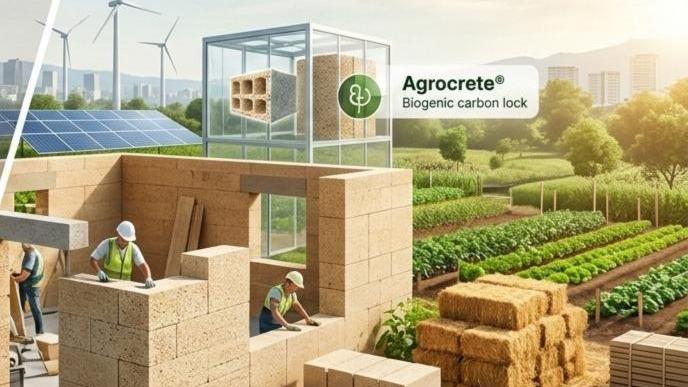
Agrocrete® is a carbon-negative building block made from upcycled crop residues and industrial by-products. It’s stronger, lighter, cooler, and more durable than conventional bricks, while also reducing environmental impact.

What does ‘carbon-negative’ mean?

How is Agrocrete® better than regular bricks?

Is Agrocrete® certified?

Where can it be used?

Is it termite-resistant and fire-resistant?

Will it change my construction process?

What’s its environmental impact?

Frequently asked questions

Have Questions?

We’ve Got Answers.

What is Agrocrete®?

Agrocrete® is a carbon-negative building block made from upcycled crop residues and industrial by-products. It’s stronger, lighter, cooler, and more durable than conventional bricks, while also reducing environmental impact.

What does ‘carbon-negative’ mean?

How is Agrocrete® better than regular bricks?

Is Agrocrete® certified?

Where can it be used?

Is it termite-resistant and fire-resistant?

Will it change my construction process?

What’s its environmental impact?

Frequently asked questions

Have Questions?

We’ve Got Answers.

What is Agrocrete®?

Agrocrete® is a carbon-negative building block made from upcycled crop residues and industrial by-products. It’s stronger, lighter, cooler, and more durable than conventional bricks, while also reducing environmental impact.

What does ‘carbon-negative’ mean?

How is Agrocrete® better than regular bricks?

Is Agrocrete® certified?

Where can it be used?

Is it termite-resistant and fire-resistant?

Will it change my construction process?

What’s its environmental impact?