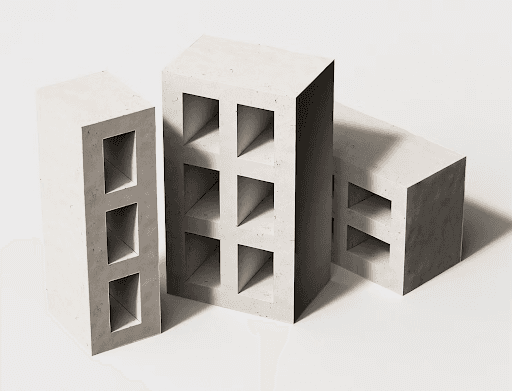
Are ‘Natural’ and ‘Sustainable’ the Same?

Often in the world of architecture and construction we see the term natural being used interchangeably with sustainable. Obviously then, consumers and novice practitioners end up promoting these natural, but environmentally hazardous materials.

Written By:

GreenJams

3 min

Tags:

Sustainability

Sustainable Construction Materials

Natural, but not sustainable

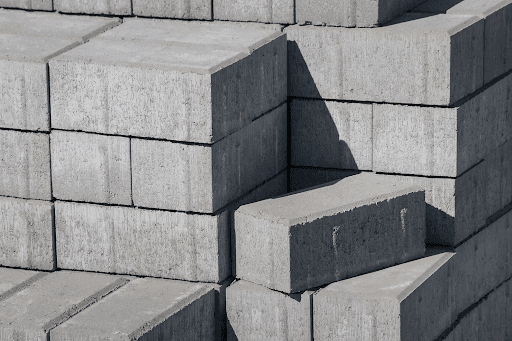
Since forever, burnt clay bricks have been promoted as being natural and therefore the obvious choice for our homes. But we all know the damage they’ve been causing to our health and planet. In India, we produce 250 to 300 billion bricks. Accounting for the most conservative average carbon footprint per burnt clay brick of around 0.5 kg CO2, brick kilns alone are responsible for 125 to 150 million tons of CO2 emissions – about 4-5% of India’s annual carbon emissions. But you know what? That’s not the only issue. With coal becoming super expensive, brick kilns have started using all kinds of cheaper solid fuels which release toxic gases. The beautiful, silky smooth, natural soils that are used to make red bricks are also the soils needed to produce food. And when arable land becomes inarable, forests are chopped down for agriculture. We all know the problems with not having forests.

A similar trend has emerged in the recent past for an equally older material – lime. No doubt one of the oldest binding materials, lime has gone through several millennia of transformations before it became the modern-day Portland cement. While its history is quite fascinating, the environmental impact of lime was quite evident even when it was the primary building material. Today, kilns have evolved and are more energy efficient, and less polluting, but have an acute climate impact, nevertheless. Building limes are produced from naturally occurring limestone. The quarried limestone is burned at around 900-1000°C in a kiln using coal, which releases large amounts of carbon dioxide. Further, carbon dioxide also gets released as a product of the chemical reaction in which limestone turns into quicklime. In total, approximately 900 kg of carbon dioxide is emitted to produce 1 tonne of building lime. ‘Artificial’ Portland cements have a much lower carbon footprint these days. And then there is the problem of poor strength of lime. Applications are limited and it is just a general hassle to work with.

Natural materials and their sustainable alternatives

Obviously then, burnt clay bricks and building limes are natural materials, but totally unsustainable. A few other examples of natural but unsustainable construction materials are forest wood, river sand, quarried stone/aggregates, and mud/soil/earth. However, there are several natural materials that are very sustainable – thatch, bamboo, etc., which come from a renewable bio-based source. Here’s a list of a few common natural materials and their sustainable alternatives:

Natural Materials

Sustainable Alternatives

Burnt Clay Bricks, Stabilized Soil Blocks, Laterite Stone Blocks

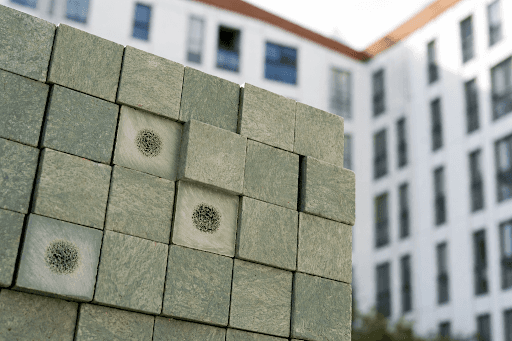
Agrocrete® Blocks, Fly Ash Bricks

Lime

BINDR™, Portland Slag Cement

River Sand

Slag sand

Quarried Coarse Aggregates

Sintered fly ash aggregates, recycled aggregates

Mud/Soil/Earth

Slags, fly ash, quarry dust

It could get quite tricky to identify which materials are actually sustainable, natural or not, especially when there are so many synthetic materials that are unsustainable. One of the easiest ways to do so is to demand the embodied carbon data of your potential purchase and compare it with the alternatives. If the manufacturer is unable to provide the information, it is more than likely that the embodied carbon data is available on the internet. Just Google it! But knowledge is key. It is imperative that we continue to learn as much as we can about climate change and its causes if we hope to live in a better world.

👉 Stay tuned for more updates on how GreenJams is transforming the built environment, one carbon-negative block at a time.

Suggested Blogs

Sustainable Construction Materials

2 min

Sustainable Construction Materials: The Turning Point in Climate-Positive Building

Tags:

Sustainability

Climate-Positive Infrastructure

3 min

Climate-Positive Infrastructure vs Net Zero Explained

Tags:

Technology

The Circular Mandate

3 min

The Circular Mandate: Circular Construction Future

Tags:

Sustainability

Embodied Carbon in Construction

3 min

Embodied Carbon in Construction: The Climate Debt Explained

Tags:

Carbon Capture

Climate-Positive Construction

2 min

Climate-Positive Construction: The Carbon Counter-Attack

Tags:

Carbon Capture

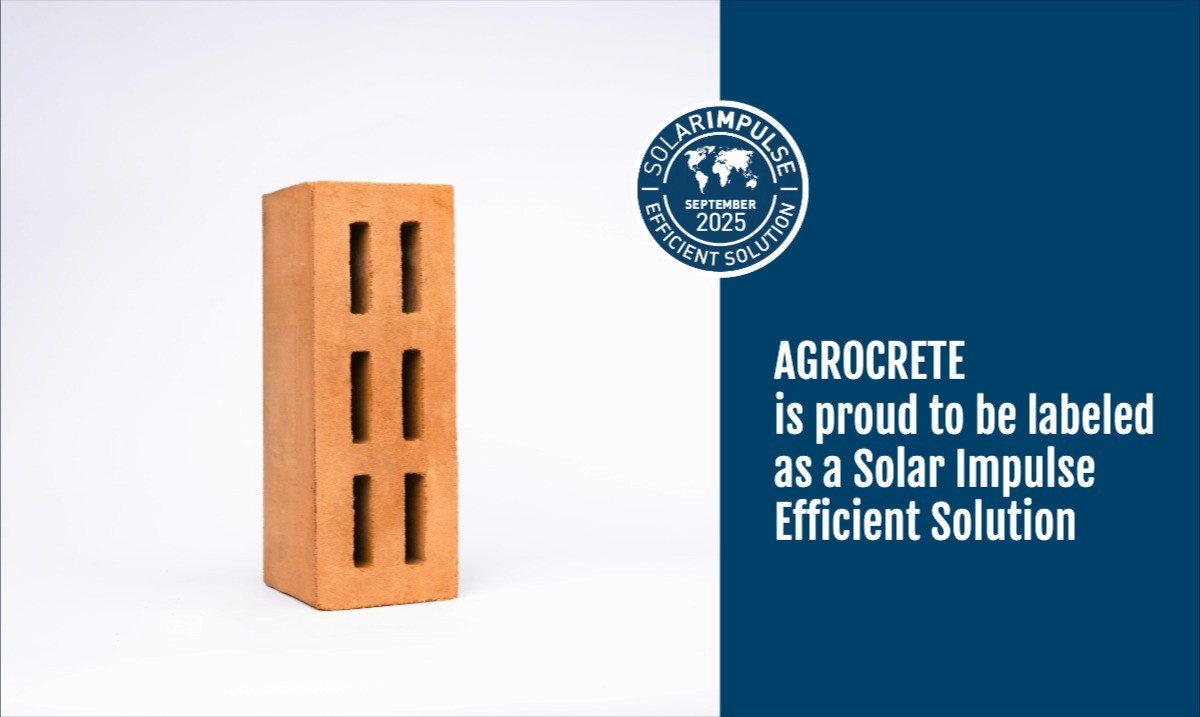
GreenJams’ Agrocrete® Becomes India’s Only Carbon-Negative Building Material to Earn the Prestigious Solar Impulse Efficient Solution Label

2 min

GreenJams’ Agrocrete® Becomes India’s Only Carbon-Negative Building Material to Earn the Prestigious Solar Impulse Efficient Solution Label

FOR IMMEDIATE RELEASE

Tags:

Press & Media

4 min

Heatwaves and Mivan Construction

‘Mivan Shuttering’ has been a godsend for the construction industry. That’s because Mivan technology enables extremely rapid construction, improves durability and earthquake resistance, and reduces wall thickness and increases carpet area in high rise buildings.

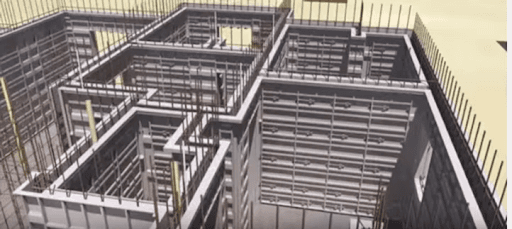
The Mivan construction technology essentially comprises a highly durable aluminium formwork fabricated in the shape and layout of the building including the walls, columns, beams, and slabs. It is extremely modular and uses the same formwork for all the floors of the building. The steel reinforcement is fixed within the formwork and concrete is poured into it to make the different members of the building.

Tags:

Technology

5 min

Agrocrete®: A weapon for the war against climate change

It was never an argument - climate change is real, and it demands urgent action. As per the IPCC 2018 Special Report on Global Warming of 1.5°C, it is estimated that by 2050, if the world isn’t fully carbon neutral, then global temperatures could increase by much more than 1.5C. However, as per Piers Froster, one of the lead authors of the landmark paper, there is still hope. He stated, “If the world can substantially reduce emissions in the 2020s and get to net zero carbon emissions by 2050, temperature rise can still be limited to 1.5C”.

This begs the question - how can we overturn climate change quickly and effectively? The surest way forward is geoengineering, which is essentially a way for human beings to manage the earth’s climate in deliberate ways. An effective, low cost way of geoengineering is to devise methods of Carbon Dioxide Removal, or CDR. Activities such as afforestation and reforestation are popular methods of CDR, however, given the time scale it takes to cause real impact, it isn’t a practical method despite its obvious benefits.

It is for this reason that more and more scientific and institutional efforts are directed towards creating ways of achieving CDR in a highly effective and relatively low-cost manner.

Tags:

product

Suggested Blogs

Sustainable Construction Materials

2 min

Sustainable Construction Materials: The Turning Point in Climate-Positive Building

Tags:

Sustainability

Climate-Positive Infrastructure

3 min

Climate-Positive Infrastructure vs Net Zero Explained

Tags:

Technology

The Circular Mandate

3 min

The Circular Mandate: Circular Construction Future

Tags:

Sustainability

Embodied Carbon in Construction

3 min

Embodied Carbon in Construction: The Climate Debt Explained

Tags:

Carbon Capture

Climate-Positive Construction

2 min

Climate-Positive Construction: The Carbon Counter-Attack

Tags:

Carbon Capture

GreenJams’ Agrocrete® Becomes India’s Only Carbon-Negative Building Material to Earn the Prestigious Solar Impulse Efficient Solution Label

2 min

GreenJams’ Agrocrete® Becomes India’s Only Carbon-Negative Building Material to Earn the Prestigious Solar Impulse Efficient Solution Label

FOR IMMEDIATE RELEASE

Tags:

Press & Media

4 min

Heatwaves and Mivan Construction

‘Mivan Shuttering’ has been a godsend for the construction industry. That’s because Mivan technology enables extremely rapid construction, improves durability and earthquake resistance, and reduces wall thickness and increases carpet area in high rise buildings.

The Mivan construction technology essentially comprises a highly durable aluminium formwork fabricated in the shape and layout of the building including the walls, columns, beams, and slabs. It is extremely modular and uses the same formwork for all the floors of the building. The steel reinforcement is fixed within the formwork and concrete is poured into it to make the different members of the building.

Tags:

Technology

5 min

Agrocrete®: A weapon for the war against climate change

It was never an argument - climate change is real, and it demands urgent action. As per the IPCC 2018 Special Report on Global Warming of 1.5°C, it is estimated that by 2050, if the world isn’t fully carbon neutral, then global temperatures could increase by much more than 1.5C. However, as per Piers Froster, one of the lead authors of the landmark paper, there is still hope. He stated, “If the world can substantially reduce emissions in the 2020s and get to net zero carbon emissions by 2050, temperature rise can still be limited to 1.5C”.

This begs the question - how can we overturn climate change quickly and effectively? The surest way forward is geoengineering, which is essentially a way for human beings to manage the earth’s climate in deliberate ways. An effective, low cost way of geoengineering is to devise methods of Carbon Dioxide Removal, or CDR. Activities such as afforestation and reforestation are popular methods of CDR, however, given the time scale it takes to cause real impact, it isn’t a practical method despite its obvious benefits.

It is for this reason that more and more scientific and institutional efforts are directed towards creating ways of achieving CDR in a highly effective and relatively low-cost manner.

Tags:

product

Frequently asked questions

Have Questions?

We’ve Got Answers.

What is Agrocrete®?

Agrocrete® is a carbon-negative building block made from upcycled crop residues and industrial by-products. It’s stronger, lighter, cooler, and more durable than conventional bricks, while also reducing environmental impact.

What does ‘carbon-negative’ mean?

How is Agrocrete® better than regular bricks?

Is Agrocrete® certified?

Where can it be used?

Is it termite-resistant and fire-resistant?

Will it change my construction process?

What’s its environmental impact?

Frequently asked questions

Have Questions?

We’ve Got Answers.

What is Agrocrete®?

Agrocrete® is a carbon-negative building block made from upcycled crop residues and industrial by-products. It’s stronger, lighter, cooler, and more durable than conventional bricks, while also reducing environmental impact.

What does ‘carbon-negative’ mean?

How is Agrocrete® better than regular bricks?

Is Agrocrete® certified?

Where can it be used?

Is it termite-resistant and fire-resistant?

Will it change my construction process?

What’s its environmental impact?

Frequently asked questions

Have Questions?

We’ve Got Answers.

What is Agrocrete®?

Agrocrete® is a carbon-negative building block made from upcycled crop residues and industrial by-products. It’s stronger, lighter, cooler, and more durable than conventional bricks, while also reducing environmental impact.

What does ‘carbon-negative’ mean?

How is Agrocrete® better than regular bricks?

Is Agrocrete® certified?

Where can it be used?

Is it termite-resistant and fire-resistant?

Will it change my construction process?

What’s its environmental impact?