5 Reasons India is Not Ready for Hempcrete... Yet!

5 Reasons India is Not Ready for Hempcrete... Yet!

Hempcrete has been one of the most researched building materials in the recent times. The staggering amount of research literature being published almost every month hold a light to that fact. As a matter of fact, our Indian shores weren't immune to it either. Several entrepreneurs have been taken hostage by the mania and have forayed into the world of hemp. And one of the most talked about hemp products is hempcrete. But is India really ready for it?

Written By:

Greenjams

2 Min Read

Tags:

product
Climate-Positive Construction

We have an entirely different construction methodology.

Modern hempcrete was conceived to function as a thermal insulation material for the temperate climes where sub-zero temperatures are a fact of the day. With huge per capita carbon emissions of countries belonging to these climatic zones, it was important to develop a natural insulation material that is moderately strong and energy efficient. Another requirement was that it was needed to be compatible with their timber frame structures. Thence, in most European applications of hempcrete you will find that it is placed as an in-fill in timber-stud walls. The Indian applications are decidedly different. Our conditions are harsher and our locally available materials are different. The stresses our building materials are subjected to are several degrees higher.

We do not yet have a hemp industry.

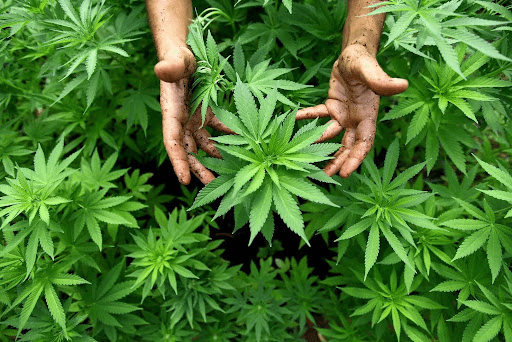
Manufacturing and marketing of hempcrete is predicated on India having a hemp industry. While the Indian State of Uttarakhand has legalised the cultivation of hemp for industrial purposes, we do not yet have those cultivars of hemp that have a THC content of between 0.3% and 1.5% to satisfy the conditions of the state hemp policy. Importing seeds from abroad is obviously expensive and is not a sustainable business model. This affects the production of the hemp shivs which are used to make hempcrete. A 1000 sq. ft. hempcrete house needs produce from about 1 hectare of hemp cultivation.
Construction’s Carbon Burden

Its properties are not validated in India.

As mentioned earlier, there aren't any constructions in India that are validated by scientific investigations to prove its suitability for adoption by the Indian consumers. Even the most basic material characteristics of hempcrete when manufactured in India are not determined. We do not yet know how it shall behave when it is produced with locally available materials. Needless to say, the manufacturing processes aren't standardised either, resulting in inconsistent material behaviour.
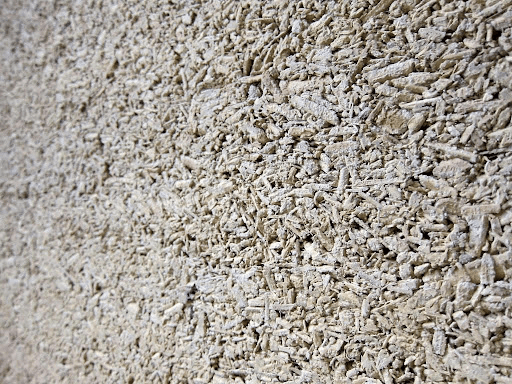
Hempcrete is not recognised by Indian Authorities.

Hempcrete is a variety of vegetal concretes, an emerging class of building materials being actively developed and used in countries like England, France and Belgium. Their authorities have formulated certification and authorisation procedures for the manufacture and use of materials like hempcrete. In India, such materials are not in great use and public organisations haven't taken it upon themselves to promote or recognise them. Public organisations such as BMTPC are responsible for the promotion and adoption of innovative building materials and technologies.

Building with hempcrete requires a different skill-set.

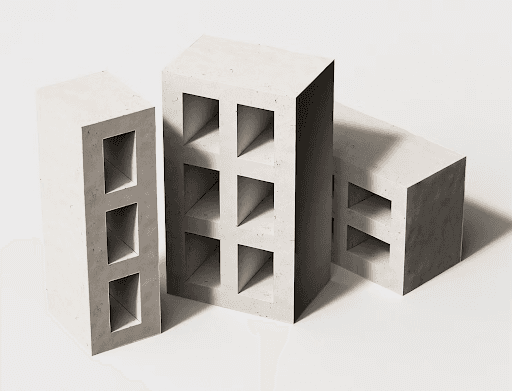
The consistency and characteristics of hempcrete are different from other building materials such as AAC blocks or fly ash bricks. Production of hempcrete involves raw materials such as lime and plant particles, which local engineers, masons and construction workers are unfamiliar with. For example, traditional building materials involve water curing, whereas lime products require air curing. The revival of traditional knowledge is the biggest challenge when building with hempcrete. Hempcrete houses also require unconventional finishings which may require greater skills.

As you might have already realised, the "impediments" to the adoption of hempcrete in India are not really impediments. With enough time and focused efforts, we can easily start building with it. GreenJams Infrastructures LLP is at the helm of these efforts leading the path to setting up hempcrete for faster adoption by Indian consumers. Please feel free to get in touch with us to learn how you could have your very own hempcrete home.

👉 Stay tuned for more updates on how GreenJams is transforming the built environment, one carbon-negative block at a time.
Suggested Blogs

Sustainable Construction Materials

2 min

Sustainable Construction Materials: The Turning Point in Climate-Positive Building

Tags:

Sustainability

Climate-Positive Infrastructure

3 min

Climate-Positive Infrastructure vs Net Zero Explained

Tags:

Technology

The Circular Mandate

3 min

The Circular Mandate: Circular Construction Future

Tags:

Sustainability

Embodied Carbon in Construction

3 min

Embodied Carbon in Construction: The Climate Debt Explained

Tags:

Carbon Capture

Climate-Positive Construction

2 min

Climate-Positive Construction: The Carbon Counter-Attack

Tags:

Carbon Capture

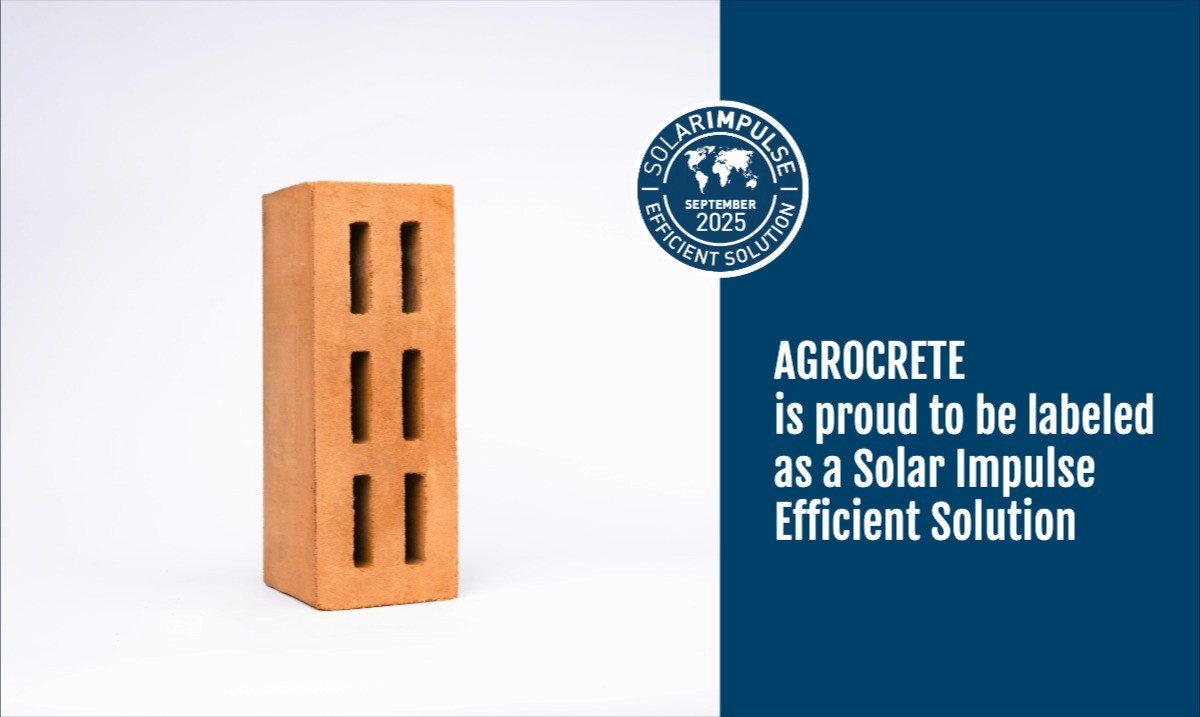
GreenJams’ Agrocrete® Becomes India’s Only Carbon-Negative Building Material to Earn the Prestigious Solar Impulse Efficient Solution Label

2 min

GreenJams’ Agrocrete® Becomes India’s Only Carbon-Negative Building Material to Earn the Prestigious Solar Impulse Efficient Solution Label

FOR IMMEDIATE RELEASE

Tags:

Press & Media

4 min

Heatwaves and Mivan Construction

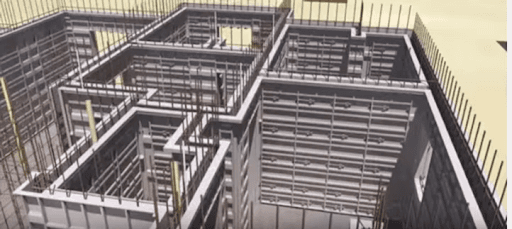
‘Mivan Shuttering’ has been a godsend for the construction industry. That’s because Mivan technology enables extremely rapid construction, improves durability and earthquake resistance, and reduces wall thickness and increases carpet area in high rise buildings.

The Mivan construction technology essentially comprises a highly durable aluminium formwork fabricated in the shape and layout of the building including the walls, columns, beams, and slabs. It is extremely modular and uses the same formwork for all the floors of the building. The steel reinforcement is fixed within the formwork and concrete is poured into it to make the different members of the building.

Tags:

Technology

5 min

Agrocrete®: A weapon for the war against climate change

It was never an argument - climate change is real, and it demands urgent action. As per the IPCC 2018 Special Report on Global Warming of 1.5°C, it is estimated that by 2050, if the world isn’t fully carbon neutral, then global temperatures could increase by much more than 1.5C. However, as per Piers Froster, one of the lead authors of the landmark paper, there is still hope. He stated, “If the world can substantially reduce emissions in the 2020s and get to net zero carbon emissions by 2050, temperature rise can still be limited to 1.5C”.

This begs the question - how can we overturn climate change quickly and effectively? The surest way forward is geoengineering, which is essentially a way for human beings to manage the earth’s climate in deliberate ways. An effective, low cost way of geoengineering is to devise methods of Carbon Dioxide Removal, or CDR. Activities such as afforestation and reforestation are popular methods of CDR, however, given the time scale it takes to cause real impact, it isn’t a practical method despite its obvious benefits.

It is for this reason that more and more scientific and institutional efforts are directed towards creating ways of achieving CDR in a highly effective and relatively low-cost manner.

Tags:

product

Suggested Blogs

Sustainable Construction Materials

2 min

Sustainable Construction Materials: The Turning Point in Climate-Positive Building

Tags:

Sustainability

Climate-Positive Infrastructure

3 min

Climate-Positive Infrastructure vs Net Zero Explained

Tags:

Technology

The Circular Mandate

3 min

The Circular Mandate: Circular Construction Future

Tags:

Sustainability

Embodied Carbon in Construction

3 min

Embodied Carbon in Construction: The Climate Debt Explained

Tags:

Carbon Capture

Climate-Positive Construction

2 min

Climate-Positive Construction: The Carbon Counter-Attack

Tags:

Carbon Capture

GreenJams’ Agrocrete® Becomes India’s Only Carbon-Negative Building Material to Earn the Prestigious Solar Impulse Efficient Solution Label

2 min

GreenJams’ Agrocrete® Becomes India’s Only Carbon-Negative Building Material to Earn the Prestigious Solar Impulse Efficient Solution Label

FOR IMMEDIATE RELEASE

Tags:

Press & Media

4 min

Heatwaves and Mivan Construction

‘Mivan Shuttering’ has been a godsend for the construction industry. That’s because Mivan technology enables extremely rapid construction, improves durability and earthquake resistance, and reduces wall thickness and increases carpet area in high rise buildings.

The Mivan construction technology essentially comprises a highly durable aluminium formwork fabricated in the shape and layout of the building including the walls, columns, beams, and slabs. It is extremely modular and uses the same formwork for all the floors of the building. The steel reinforcement is fixed within the formwork and concrete is poured into it to make the different members of the building.

Tags:

Technology

5 min

Agrocrete®: A weapon for the war against climate change

It was never an argument - climate change is real, and it demands urgent action. As per the IPCC 2018 Special Report on Global Warming of 1.5°C, it is estimated that by 2050, if the world isn’t fully carbon neutral, then global temperatures could increase by much more than 1.5C. However, as per Piers Froster, one of the lead authors of the landmark paper, there is still hope. He stated, “If the world can substantially reduce emissions in the 2020s and get to net zero carbon emissions by 2050, temperature rise can still be limited to 1.5C”.

This begs the question - how can we overturn climate change quickly and effectively? The surest way forward is geoengineering, which is essentially a way for human beings to manage the earth’s climate in deliberate ways. An effective, low cost way of geoengineering is to devise methods of Carbon Dioxide Removal, or CDR. Activities such as afforestation and reforestation are popular methods of CDR, however, given the time scale it takes to cause real impact, it isn’t a practical method despite its obvious benefits.

It is for this reason that more and more scientific and institutional efforts are directed towards creating ways of achieving CDR in a highly effective and relatively low-cost manner.

Tags:

product

Frequently asked questions

Have Questions?

We’ve Got Answers.

What is Agrocrete®?

Agrocrete® is a carbon-negative building block made from upcycled crop residues and industrial by-products. It’s stronger, lighter, cooler, and more durable than conventional bricks, while also reducing environmental impact.

What does ‘carbon-negative’ mean?

How is Agrocrete® better than regular bricks?

Is Agrocrete® certified?

Where can it be used?

Is it termite-resistant and fire-resistant?

Will it change my construction process?

What’s its environmental impact?

Frequently asked questions

Have Questions?

We’ve Got Answers.

What is Agrocrete®?

Agrocrete® is a carbon-negative building block made from upcycled crop residues and industrial by-products. It’s stronger, lighter, cooler, and more durable than conventional bricks, while also reducing environmental impact.

What does ‘carbon-negative’ mean?

How is Agrocrete® better than regular bricks?

Is Agrocrete® certified?

Where can it be used?

Is it termite-resistant and fire-resistant?

Will it change my construction process?

What’s its environmental impact?

Frequently asked questions

Have Questions?

We’ve Got Answers.

What is Agrocrete®?

Agrocrete® is a carbon-negative building block made from upcycled crop residues and industrial by-products. It’s stronger, lighter, cooler, and more durable than conventional bricks, while also reducing environmental impact.

What does ‘carbon-negative’ mean?

How is Agrocrete® better than regular bricks?

Is Agrocrete® certified?

Where can it be used?

Is it termite-resistant and fire-resistant?

Will it change my construction process?

What’s its environmental impact?