What are ‘Urban Heat Islands’ & How to mitigate them?

Over the last few years, once-in-a-generation events have been aplenty. We’ve been witnesses to unprecedented rainfalls, heatwaves, fires and many more calamities. Moreover, while such calamities have occurred across various geographies, it is clear to see that our cities are the epicentres of climate impact. As a result, our cities could become uninhabitable in the near future, and so we have a pressing need to re-think how our cities and communities are built.

In this article, we’ll look at why exactly our cities have become hotbeds for the ill-effects of climate change, and what we can do to mitigate it.

Written By:

GreenJams

5 min

Tags:

Sustainability

Sustainable Construction Materials

The Urban Heat Island Effect

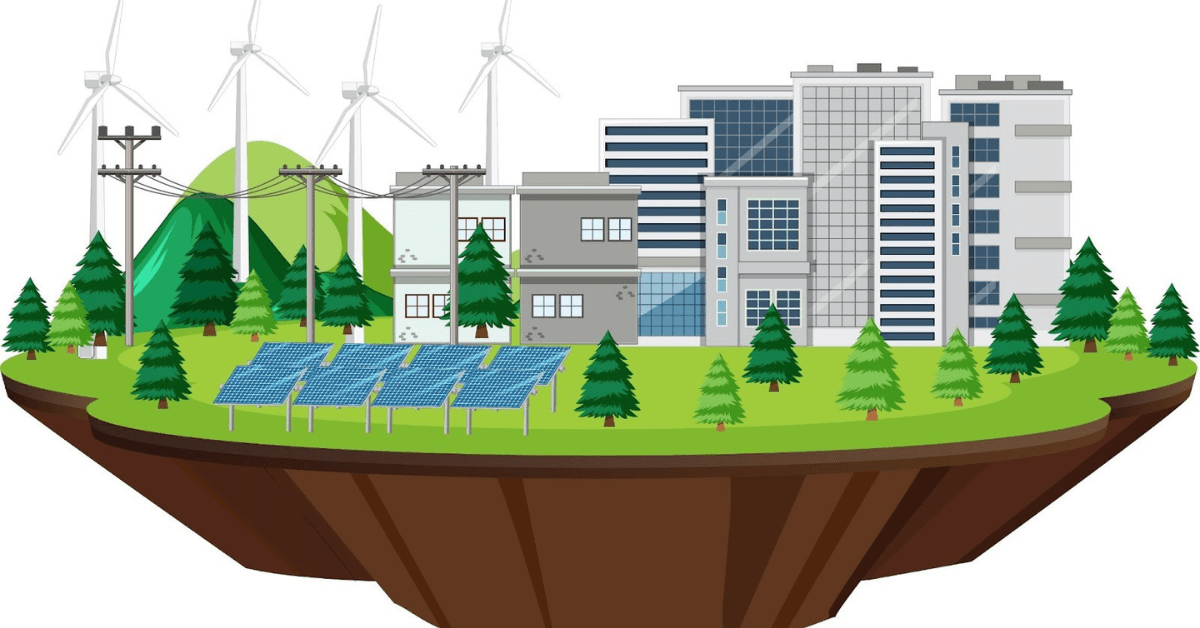
As a result of human activity, cities often become areas where temperatures are drastically different from their surrounding areas. The reason behind this occurrence is scientifically proven to be human activity – more specifically, from modification of land surfaces. A study in the Journal of Geophysical Research found that waste heat generated by energy usage is a significant contributor to making human settlements into heat islands. This makes sense at a surface level – after all, hotter areas call for using greater energy to make it cooler, thus, increasing the level of emissions and exacerbating the situation. But, let’s observe the more practical aspects of how the Urban Heat Island effect occurs so we can find indicators of it around us.

A major contributor to this energy usage is the fact that dark surfaces, which are exposed to radiation in many cities due to a lack of green cover, absorb much more radiation, causing roads and buildings to become much hotter, thus increasing the need for cooling and energy consumption. This occurs primarily because materials commonly used in urban areas for pavement and roofs, such as concrete and asphalt, have significantly different thermal properties and surface radiative properties than the surrounding rural areas. So naturally, the usage of these materials call for a higher usage of energy, which results in higher temperatures than surrounding rural areas, thus becoming a heat island.

Urban Heat Islands are also formed by the “urban canyon effect”, which occurs when tall buildings in an urban area provide surfaces for the reflection and absorption of sunlight, increasing the efficiency with which urban areas are heated. Tall buildings also block the flow of wind and prevents polluted air from escaping, both of which contribute to the Urban Heat Island effect.

Another major reason for cities becoming urban islands is a lack of evapotranspiration in urban areas. In essence, evapotranspiration is the process of water evaporating into the atmosphere from the soil surface, which happens via plants and vegetation, and water bodies. In other words, a reduced green cover in cities lead to lesser evaporation from the soil to the environment, thus making the entire region hotter than its surrounding areas.

The solution?

Given how most of the world’s major cities were built before the need for climate action was as pressing as it is today, the situation might seem beyond helping. It might seem that while we can assuage the creation of Urban Heat Islands in the cities of the future, there’s not much that we can do with the cities of today. However, this is pretty far from the truth.

We certainly need to re-think how new buildings, and new cities, are created in the future, however, there are a host of ways in which we can make our existing cities more liveable.

Primarily, these methods include using lesser dark materials in construction of buildings and infrastructure, and increasing the amount of well-watered vegetation. Many cities including Singapore and Los Angeles, have adopted strategies including white and green roofs, planting trees on roads and green parking lots to reduce reliance on artificial cooling and excess energy use.

A recent research paper published by A. H. Rosenfeld of University of California – Berkeley estimated that through the use of the techniques mentioned above, urban temperatures could be reduced by approximately 3 °C (5 °F). The model used in the publication considered an area of Los Angeles where $1 billion was spent to plant 10 million trees, re-roof 5 million homes and painting a quarter of the roads white. The model predicted that taking those measures would cause an estimated $170 Million in savings from reduced air-conditioning expenses and $360 Million in savings by mitigating smog related health savings.

Closing thoughts

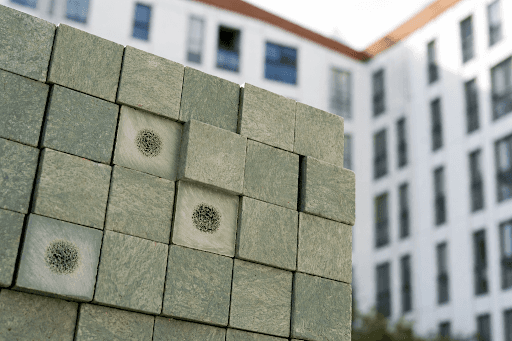
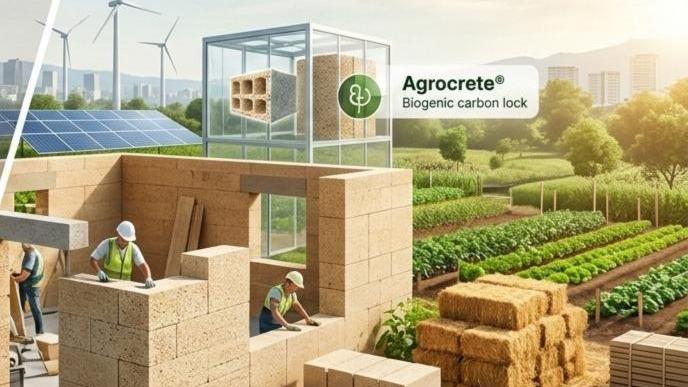
Clearly, the ill-effects of climate change are starting to affect human populations in a real way. However, despite the fact that the situation seems dire, we believe it makes sense to re-think our cities from both a financial and health standpoint. That’s why, aside from advocating for methods to mitigate Urban Heat Islands, we have created a revolutionary carbon negative building material – Agrocrete – which can help the world build better buildings. We believe that while it is certainly possible to be carbon-neutral by 2050 and begin reversing climate change, the time to act is now.

👉 Stay tuned for more updates on how GreenJams is transforming the built environment, one carbon-negative block at a time.

Suggested Blogs

Sustainable Construction Materials

2 min

Sustainable Construction Materials: The Turning Point in Climate-Positive Building

Tags:

Sustainability

Climate-Positive Infrastructure

3 min

Climate-Positive Infrastructure vs Net Zero Explained

Tags:

Technology

The Circular Mandate

3 min

The Circular Mandate: Circular Construction Future

Tags:

Sustainability

Embodied Carbon in Construction

3 min

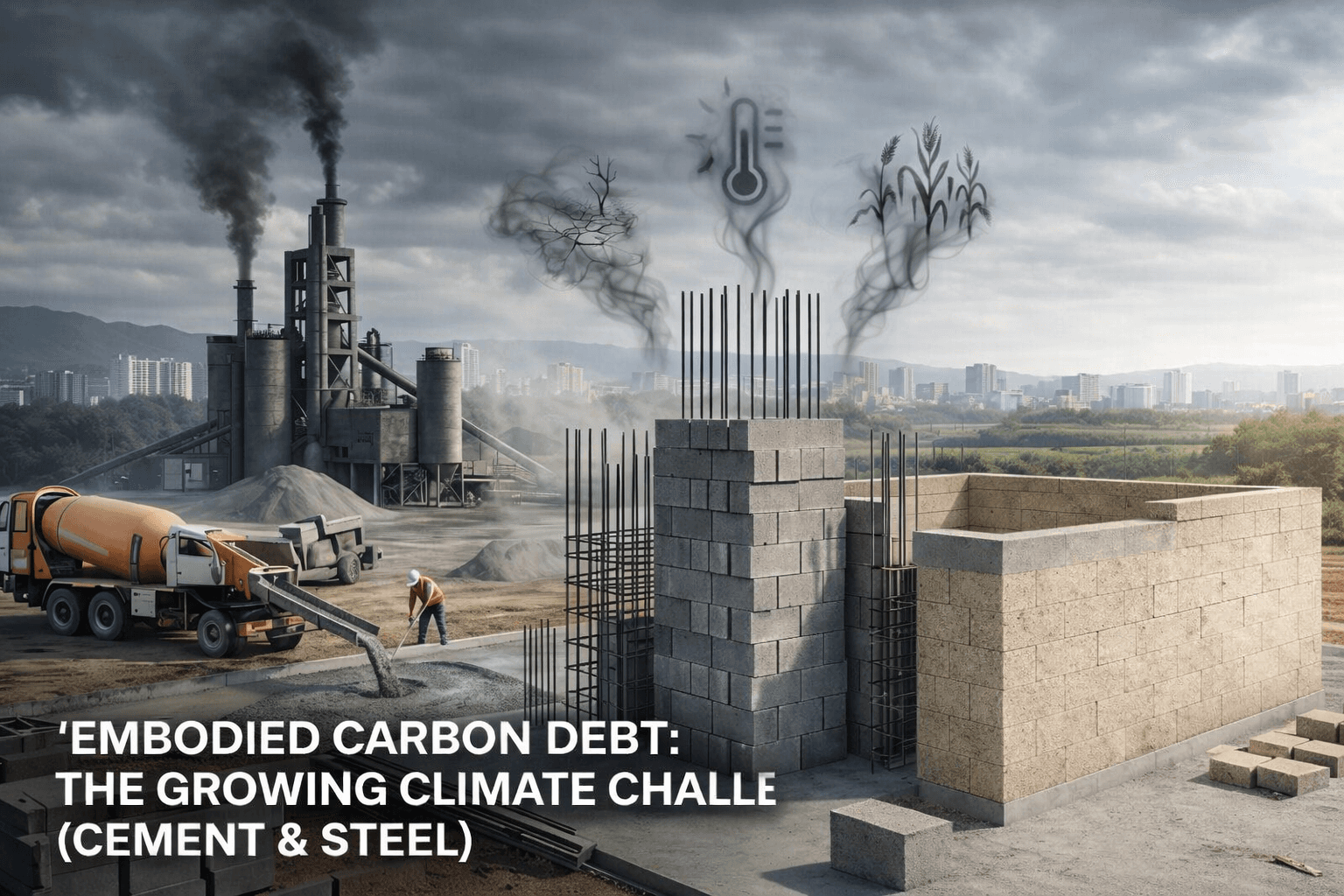
Embodied Carbon in Construction: The Climate Debt Explained

Tags:

Carbon Capture

Climate-Positive Construction

2 min

Climate-Positive Construction: The Carbon Counter-Attack

Tags:

Carbon Capture

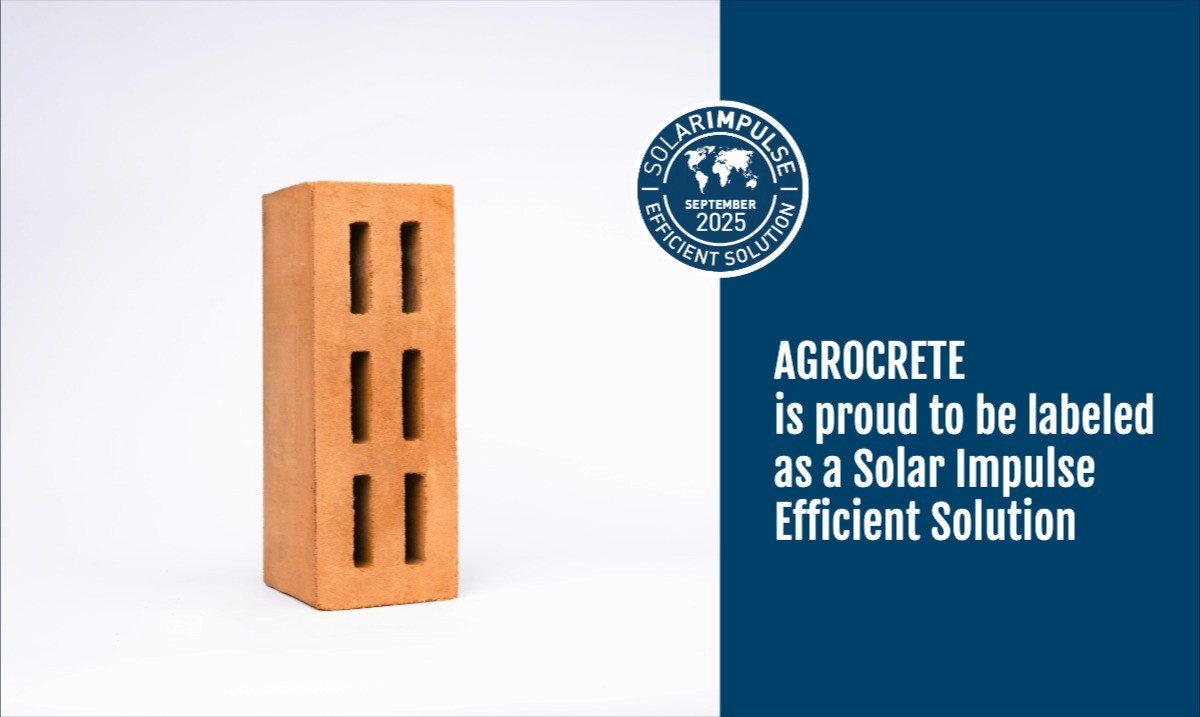
GreenJams’ Agrocrete® Becomes India’s Only Carbon-Negative Building Material to Earn the Prestigious Solar Impulse Efficient Solution Label

2 min

GreenJams’ Agrocrete® Becomes India’s Only Carbon-Negative Building Material to Earn the Prestigious Solar Impulse Efficient Solution Label

FOR IMMEDIATE RELEASE

Tags:

Press & Media

4 min

Heatwaves and Mivan Construction

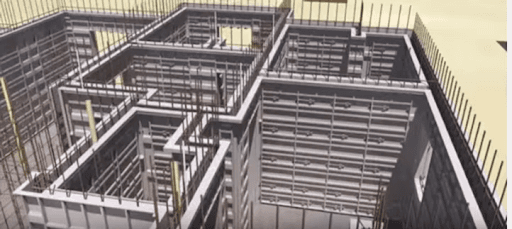
‘Mivan Shuttering’ has been a godsend for the construction industry. That’s because Mivan technology enables extremely rapid construction, improves durability and earthquake resistance, and reduces wall thickness and increases carpet area in high rise buildings.

The Mivan construction technology essentially comprises a highly durable aluminium formwork fabricated in the shape and layout of the building including the walls, columns, beams, and slabs. It is extremely modular and uses the same formwork for all the floors of the building. The steel reinforcement is fixed within the formwork and concrete is poured into it to make the different members of the building.

Tags:

Technology

5 min

Agrocrete®: A weapon for the war against climate change

It was never an argument - climate change is real, and it demands urgent action. As per the IPCC 2018 Special Report on Global Warming of 1.5°C, it is estimated that by 2050, if the world isn’t fully carbon neutral, then global temperatures could increase by much more than 1.5C. However, as per Piers Froster, one of the lead authors of the landmark paper, there is still hope. He stated, “If the world can substantially reduce emissions in the 2020s and get to net zero carbon emissions by 2050, temperature rise can still be limited to 1.5C”.

This begs the question - how can we overturn climate change quickly and effectively? The surest way forward is geoengineering, which is essentially a way for human beings to manage the earth’s climate in deliberate ways. An effective, low cost way of geoengineering is to devise methods of Carbon Dioxide Removal, or CDR. Activities such as afforestation and reforestation are popular methods of CDR, however, given the time scale it takes to cause real impact, it isn’t a practical method despite its obvious benefits.

It is for this reason that more and more scientific and institutional efforts are directed towards creating ways of achieving CDR in a highly effective and relatively low-cost manner.

Tags:

product

Suggested Blogs

Sustainable Construction Materials

2 min

Sustainable Construction Materials: The Turning Point in Climate-Positive Building

Tags:

Sustainability

Climate-Positive Infrastructure

3 min

Climate-Positive Infrastructure vs Net Zero Explained

Tags:

Technology

The Circular Mandate

3 min

The Circular Mandate: Circular Construction Future

Tags:

Sustainability

Embodied Carbon in Construction

3 min

Embodied Carbon in Construction: The Climate Debt Explained

Tags:

Carbon Capture

Climate-Positive Construction

2 min

Climate-Positive Construction: The Carbon Counter-Attack

Tags:

Carbon Capture

GreenJams’ Agrocrete® Becomes India’s Only Carbon-Negative Building Material to Earn the Prestigious Solar Impulse Efficient Solution Label

2 min

GreenJams’ Agrocrete® Becomes India’s Only Carbon-Negative Building Material to Earn the Prestigious Solar Impulse Efficient Solution Label

FOR IMMEDIATE RELEASE

Tags:

Press & Media

4 min

Heatwaves and Mivan Construction

‘Mivan Shuttering’ has been a godsend for the construction industry. That’s because Mivan technology enables extremely rapid construction, improves durability and earthquake resistance, and reduces wall thickness and increases carpet area in high rise buildings.

The Mivan construction technology essentially comprises a highly durable aluminium formwork fabricated in the shape and layout of the building including the walls, columns, beams, and slabs. It is extremely modular and uses the same formwork for all the floors of the building. The steel reinforcement is fixed within the formwork and concrete is poured into it to make the different members of the building.

Tags:

Technology

5 min

Agrocrete®: A weapon for the war against climate change

It was never an argument - climate change is real, and it demands urgent action. As per the IPCC 2018 Special Report on Global Warming of 1.5°C, it is estimated that by 2050, if the world isn’t fully carbon neutral, then global temperatures could increase by much more than 1.5C. However, as per Piers Froster, one of the lead authors of the landmark paper, there is still hope. He stated, “If the world can substantially reduce emissions in the 2020s and get to net zero carbon emissions by 2050, temperature rise can still be limited to 1.5C”.

This begs the question - how can we overturn climate change quickly and effectively? The surest way forward is geoengineering, which is essentially a way for human beings to manage the earth’s climate in deliberate ways. An effective, low cost way of geoengineering is to devise methods of Carbon Dioxide Removal, or CDR. Activities such as afforestation and reforestation are popular methods of CDR, however, given the time scale it takes to cause real impact, it isn’t a practical method despite its obvious benefits.

It is for this reason that more and more scientific and institutional efforts are directed towards creating ways of achieving CDR in a highly effective and relatively low-cost manner.

Tags:

product

Frequently asked questions

Have Questions?

We’ve Got Answers.

What is Agrocrete®?

Agrocrete® is a carbon-negative building block made from upcycled crop residues and industrial by-products. It’s stronger, lighter, cooler, and more durable than conventional bricks, while also reducing environmental impact.

What does ‘carbon-negative’ mean?

How is Agrocrete® better than regular bricks?

Is Agrocrete® certified?

Where can it be used?

Is it termite-resistant and fire-resistant?

Will it change my construction process?

What’s its environmental impact?

Frequently asked questions

Have Questions?

We’ve Got Answers.

What is Agrocrete®?

Agrocrete® is a carbon-negative building block made from upcycled crop residues and industrial by-products. It’s stronger, lighter, cooler, and more durable than conventional bricks, while also reducing environmental impact.

What does ‘carbon-negative’ mean?

How is Agrocrete® better than regular bricks?

Is Agrocrete® certified?

Where can it be used?

Is it termite-resistant and fire-resistant?

Will it change my construction process?

What’s its environmental impact?

Frequently asked questions

Have Questions?

We’ve Got Answers.

What is Agrocrete®?

Agrocrete® is a carbon-negative building block made from upcycled crop residues and industrial by-products. It’s stronger, lighter, cooler, and more durable than conventional bricks, while also reducing environmental impact.

What does ‘carbon-negative’ mean?

How is Agrocrete® better than regular bricks?

Is Agrocrete® certified?

Where can it be used?

Is it termite-resistant and fire-resistant?

Will it change my construction process?

What’s its environmental impact?