AAC Blocks: An accidental invention! - My Framer Site

AAC Blocks: An accidental invention!

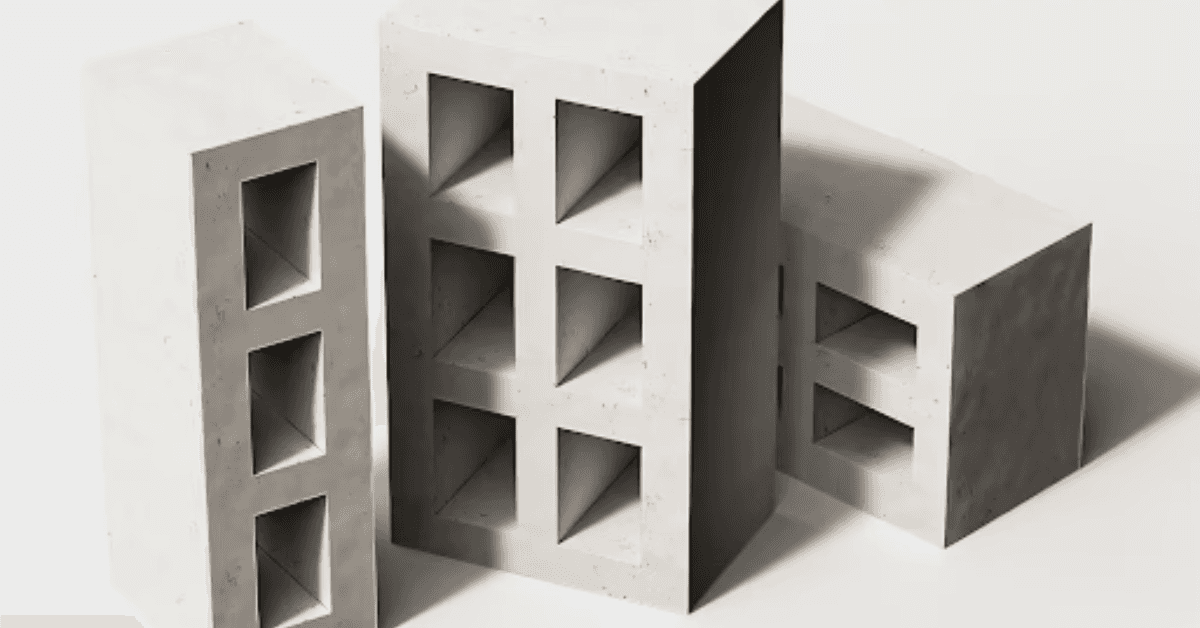
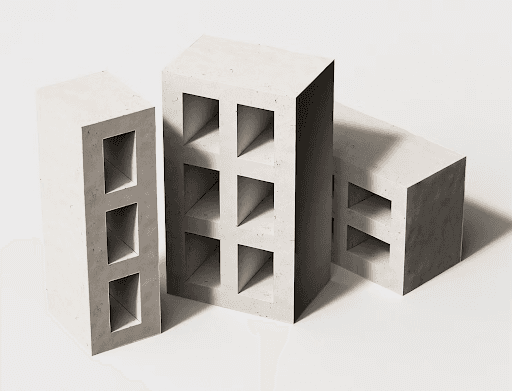
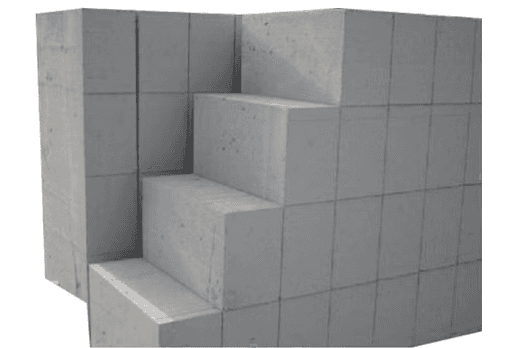
AAC Blocks (Autoclaved Aerated Concrete Blocks) are some of the most consumed building materials in the world. It currently offers one of the best value propositions in terms of cost of construction and technical performance. The manufacturing capacity in India is capable of producing approx. ₹15,000 crores worth blocks, annually. But the history of AAC blocks is fascinating – to begin with, it was an accidental invention!

Friday, December 12, 2025

Written By:

GreenJams

2 min

Tags:

product
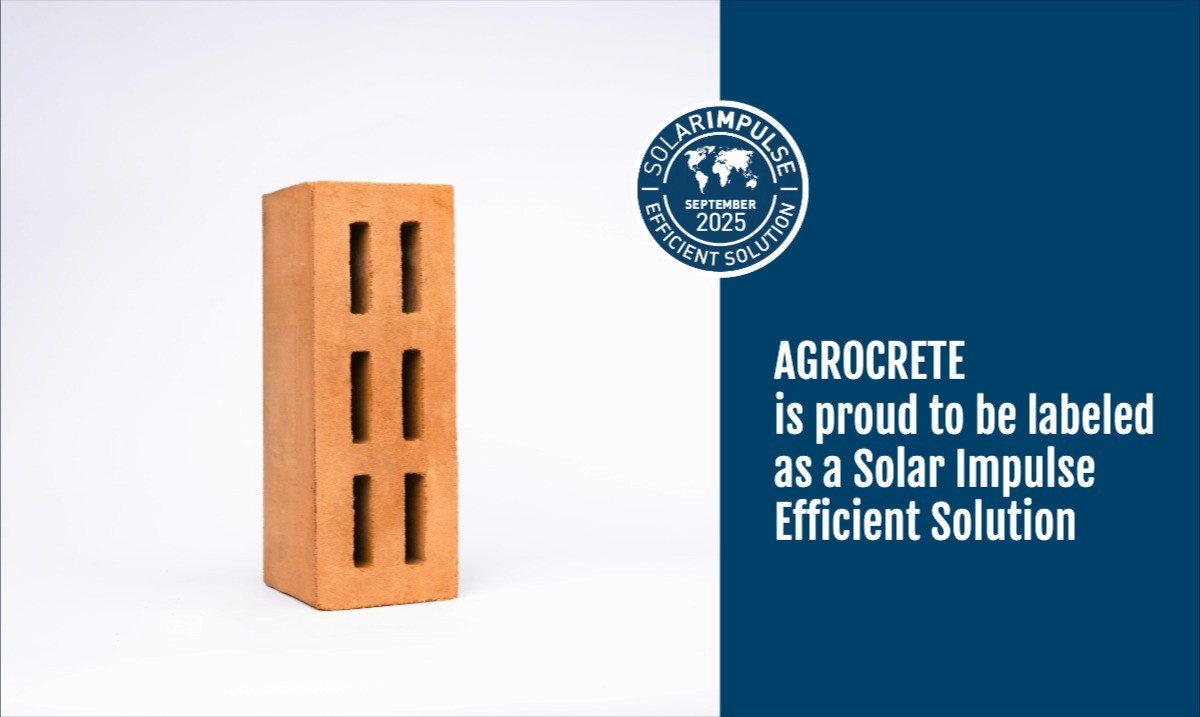
GreenJams’ Agrocrete® Becomes India’s Only Carbon-Negative Building Material to Earn the Prestigious Solar Impulse Efficient Solution Label

The use of foaming agents in concrete has been documented since as early as Roman times! Aerated concrete relies on the alkaline binder (lime & cement) reacting with an acid to release gases, which remain entrained in the material. And, in 1889, the first attempt to produce aerated concrete was patented by Mr E. Hoffman.[1]

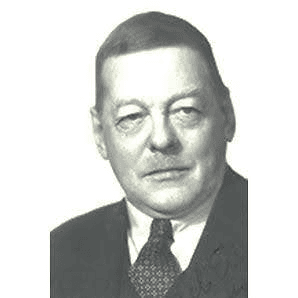
After World War I, wood-based products, which were the primary building material at the time, became scarce. A Swedish Architect, who was then an assistant professor of Building Techniques at the Royal Institute of Technology, Stockholm, Dr. Johan Axel Ericksson, was looking for an alternative to wood products.[2] He was working on aerated concrete samples, and that’s when the accidental discovery occurred!

Running short of time, Dr. Johan Axel Ericksson decided to speed up the curing process. He placed one of his samples of burnt shale limestone, water, and aluminum powder in the laboratory autoclave. The porous mass survived the overnight autoclaving, and the resulting cured concrete possessed greatly increased strength and a new, stronger crystalline composition. In the heat and pressure of the steam curing, the silica and lime components had fused to form a calcium silicate hydrate crystal, similar to the volcanic rock, Tobermorite.[3]

Is this the right place to quote Bill Gates, “I choose a lazy person to do a hard job; because a lazy person will find an easy way to do it”?! This accident, indeed, paved the way for the rebuilding of Germany post World War II. So, basically, we have an accidental invention helping overcome adversity.

The story of the accident fixing the post-World War II impact will continue in the next post. But, in the meanwhile, if you know of any other accidental inventions, drop a comment! This world is full of surprises.

[1] https://inpressco.com/wp-content/uploads/2016/04/Paper43635-638.pdf

[2] https://www.concreteconstruction.net/business/building-with-aac_o
[3] https://www.superbuild.co.nz/about/history_AAC.html

👉 Stay tuned for more updates on how GreenJams is transforming the built environment, one carbon-negative block at a time.
Suggested Blogs

Feb 25, 2026

2 min

Sustainable Construction Materials: The Turning Point in Climate-Positive Building

FOR IMMEDIATE RELEASE

Tags:

Press & Media

Feb 25, 2026

2 min

Climate-Positive Infrastructure vs Net Zero Explained

FOR IMMEDIATE RELEASE

Tags:

Press & Media

Feb 25, 2026

2 min

The Circular Mandate: Circular Construction Future

FOR IMMEDIATE RELEASE

Tags:

Press & Media

Source: RESET — “Revisiting the Iconic Chart from Architecture 2030” (RESET / Raefer Wallis, 2022)

Feb 25, 2026

2 min

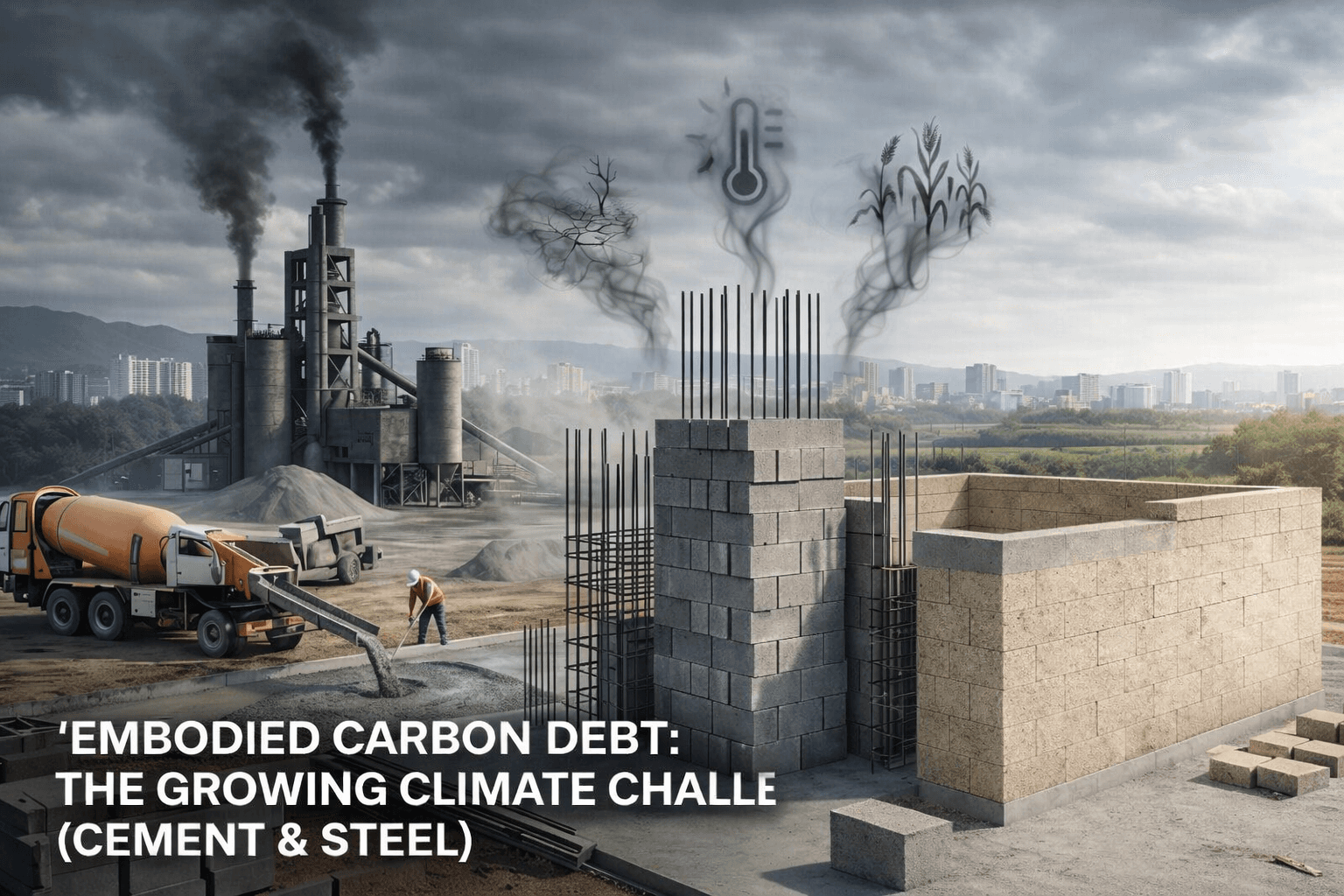
Embodied Carbon in Construction: The Climate Debt Explained

FOR IMMEDIATE RELEASE

Tags:

Press & Media

Feb 25, 2026

2 min

Climate-Positive Construction: The Carbon Counter-Attack

FOR IMMEDIATE RELEASE

Tags:

Press & Media

GreenJams’ Agrocrete® Becomes India’s Only Carbon-Negative Building Material to Earn the Prestigious Solar Impulse Efficient Solution Label

Jan 24, 2026

2 min

GreenJams’ Agrocrete® Becomes India’s Only Carbon-Negative Building Material to Earn the Prestigious Solar Impulse Efficient Solution Label

FOR IMMEDIATE RELEASE

Tags:

Press & Media

GreenJams’ Agrocrete® Becomes India’s Only Carbon-Negative Building Material to Earn the Prestigious Solar Impulse Efficient Solution Label

Dec 12, 2025

4 min

Heatwaves and Mivan Construction

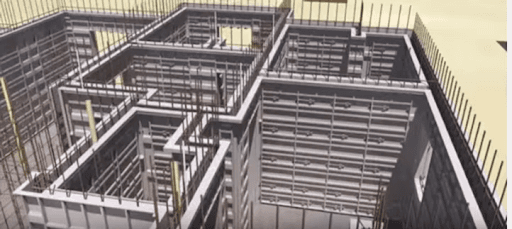
‘Mivan Shuttering’ has been a godsend for the construction industry. That’s because Mivan technology enables extremely rapid construction, improves durability and earthquake resistance, and reduces wall thickness and increases carpet area in high rise buildings.

The Mivan construction technology essentially comprises a highly durable aluminium formwork fabricated in the shape and layout of the building including the walls, columns, beams, and slabs. It is extremely modular and uses the same formwork for all the floors of the building. The steel reinforcement is fixed within the formwork and concrete is poured into it to make the different members of the building.

Tags:

Technology

GreenJams’ Agrocrete® Becomes India’s Only Carbon-Negative Building Material to Earn the Prestigious Solar Impulse Efficient Solution Label

Dec 12, 2025

5 min

Agrocrete®: A weapon for the war against climate change

It was never an argument - climate change is real, and it demands urgent action. As per the IPCC 2018 Special Report on Global Warming of 1.5°C, it is estimated that by 2050, if the world isn’t fully carbon neutral, then global temperatures could increase by much more than 1.5C. However, as per Piers Froster, one of the lead authors of the landmark paper, there is still hope. He stated, “If the world can substantially reduce emissions in the 2020s and get to net zero carbon emissions by 2050, temperature rise can still be limited to 1.5C”.

This begs the question - how can we overturn climate change quickly and effectively? The surest way forward is geoengineering, which is essentially a way for human beings to manage the earth’s climate in deliberate ways. An effective, low cost way of geoengineering is to devise methods of Carbon Dioxide Removal, or CDR. Activities such as afforestation and reforestation are popular methods of CDR, however, given the time scale it takes to cause real impact, it isn’t a practical method despite its obvious benefits.

It is for this reason that more and more scientific and institutional efforts are directed towards creating ways of achieving CDR in a highly effective and relatively low-cost manner.

Tags:

product

Suggested Blogs

Feb 25, 2026

2 min

Sustainable Construction Materials: The Turning Point in Climate-Positive Building

FOR IMMEDIATE RELEASE

Tags:

Press & Media

Feb 25, 2026

2 min

Climate-Positive Infrastructure vs Net Zero Explained

FOR IMMEDIATE RELEASE

Tags:

Press & Media

Feb 25, 2026

2 min

The Circular Mandate: Circular Construction Future

FOR IMMEDIATE RELEASE

Tags:

Press & Media

Source: RESET — “Revisiting the Iconic Chart from Architecture 2030” (RESET / Raefer Wallis, 2022)

Feb 25, 2026

2 min

Embodied Carbon in Construction: The Climate Debt Explained

FOR IMMEDIATE RELEASE

Tags:

Press & Media

Feb 25, 2026

2 min

Climate-Positive Construction: The Carbon Counter-Attack

FOR IMMEDIATE RELEASE

Tags:

Press & Media

GreenJams’ Agrocrete® Becomes India’s Only Carbon-Negative Building Material to Earn the Prestigious Solar Impulse Efficient Solution Label

Jan 24, 2026

2 min

GreenJams’ Agrocrete® Becomes India’s Only Carbon-Negative Building Material to Earn the Prestigious Solar Impulse Efficient Solution Label

FOR IMMEDIATE RELEASE

Tags:

Press & Media

Dec 12, 2025

4 min

Heatwaves and Mivan Construction

‘Mivan Shuttering’ has been a godsend for the construction industry. That’s because Mivan technology enables extremely rapid construction, improves durability and earthquake resistance, and reduces wall thickness and increases carpet area in high rise buildings.

The Mivan construction technology essentially comprises a highly durable aluminium formwork fabricated in the shape and layout of the building including the walls, columns, beams, and slabs. It is extremely modular and uses the same formwork for all the floors of the building. The steel reinforcement is fixed within the formwork and concrete is poured into it to make the different members of the building.

Tags:

Technology

Dec 12, 2025

5 min

Agrocrete®: A weapon for the war against climate change

It was never an argument - climate change is real, and it demands urgent action. As per the IPCC 2018 Special Report on Global Warming of 1.5°C, it is estimated that by 2050, if the world isn’t fully carbon neutral, then global temperatures could increase by much more than 1.5C. However, as per Piers Froster, one of the lead authors of the landmark paper, there is still hope. He stated, “If the world can substantially reduce emissions in the 2020s and get to net zero carbon emissions by 2050, temperature rise can still be limited to 1.5C”.

This begs the question - how can we overturn climate change quickly and effectively? The surest way forward is geoengineering, which is essentially a way for human beings to manage the earth’s climate in deliberate ways. An effective, low cost way of geoengineering is to devise methods of Carbon Dioxide Removal, or CDR. Activities such as afforestation and reforestation are popular methods of CDR, however, given the time scale it takes to cause real impact, it isn’t a practical method despite its obvious benefits.

It is for this reason that more and more scientific and institutional efforts are directed towards creating ways of achieving CDR in a highly effective and relatively low-cost manner.

Tags:

product

Frequently asked questions

Have Questions?

We’ve Got Answers.

What is Agrocrete®?

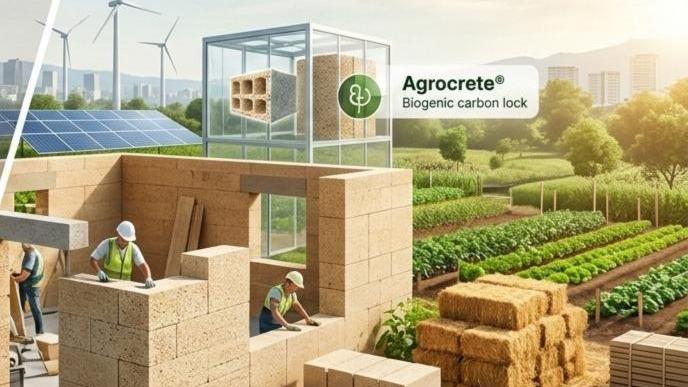
Agrocrete® is a carbon-negative building block made from upcycled crop residues and industrial by-products. It’s stronger, lighter, cooler, and more durable than conventional bricks, while also reducing environmental impact.

What does ‘carbon-negative’ mean?

How is Agrocrete® better than regular bricks?

Is Agrocrete® certified?

Where can it be used?

Is it termite-resistant and fire-resistant?

Will it change my construction process?

What’s its environmental impact?

Frequently asked questions

Have Questions?

We’ve Got Answers.

What is Agrocrete®?

Agrocrete® is a carbon-negative building block made from upcycled crop residues and industrial by-products. It’s stronger, lighter, cooler, and more durable than conventional bricks, while also reducing environmental impact.

What does ‘carbon-negative’ mean?

How is Agrocrete® better than regular bricks?

Is Agrocrete® certified?

Where can it be used?

Is it termite-resistant and fire-resistant?

Will it change my construction process?

What’s its environmental impact?

Frequently asked questions

Have Questions?

We’ve Got Answers.

What is Agrocrete®?

Agrocrete® is a carbon-negative building block made from upcycled crop residues and industrial by-products. It’s stronger, lighter, cooler, and more durable than conventional bricks, while also reducing environmental impact.

What does ‘carbon-negative’ mean?

How is Agrocrete® better than regular bricks?

Is Agrocrete® certified?

Where can it be used?

Is it termite-resistant and fire-resistant?

Will it change my construction process?

What’s its environmental impact?